Start with the closure test
Sit, reach and bend in the shirt before choosing a tuck. Check whether buttons pull at the chest or abdomen and whether the collar feels comfortable. If you want a loose outline, a roomier shirt is a choice of shape; it does not need to be a disguise. Length and width are separate fitting decisions.
Three different roles
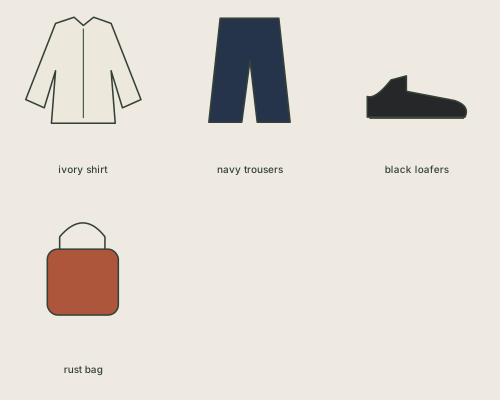
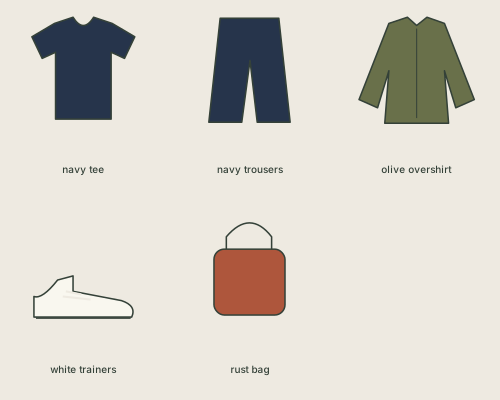
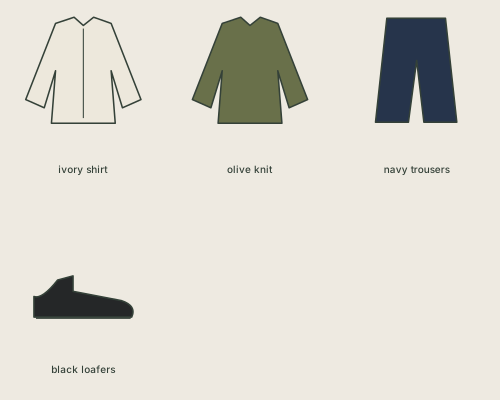
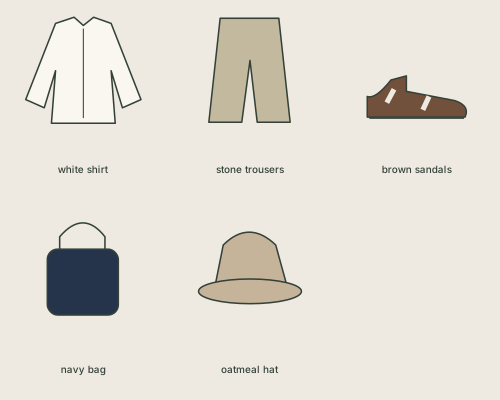
Wear the ivory shirt alone with navy chinos for a defined but easy office base. Use the olive overshirt open above a striped tee for a pocket layer. Put a soft shirt collar beneath a crew-neck knit when you want a more traditional work tone. These are different layer decisions, not a requirement to buy three shirts.
Long sleeves in warm weather
Choose the actual weight and construction that feel comfortable, with room at the cuff and upper arm. Linen or cotton labels alone do not specify breathability, opacity or feel. Leave sleeves down for a long-sleeve preference; if you roll them, the visible coverage changes. Check a pale shirt in daylight when opacity matters.
Untucked, partly tucked, fully tucked
Try an untucked hem first and look at the side as well as the front. A partial tuck can keep fabric clear of a waistband without fixing the whole shirt. A full tuck may be useful under a blazer but can crowd a seated waist. None is a universal height or body-size rule.
Use the shirt you own
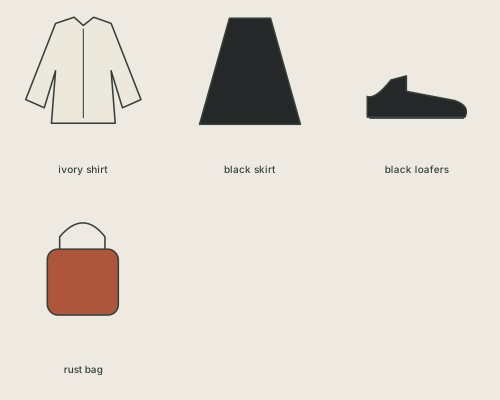
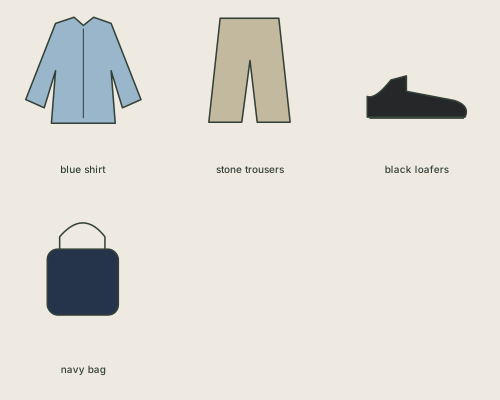
Change the bottom and shoe before buying another top: a shirt with long skirt and flats feels different from the same shirt under a blazer with trousers. If buttons are inconvenient, choose a pullover top or a fastening you already use comfortably. Add any actual substituted item to your plan.
These are original styling suggestions, not a body diagnosis or a claim of tested individual fit. Published 11 October 2026.
Follow the next useful decision
- Wide-leg jeans, your way
- Fit and proportions are separate decisions
- Familiar fastenings and simpler outfit choices