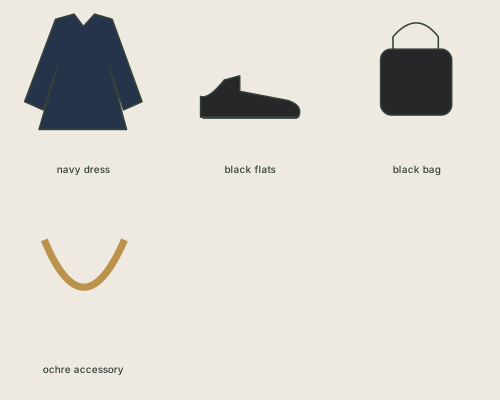
Check function before the mirror
Sit, reach, bend and step in the full outfit with your planned footwear. Check shoulder and bust closure, waist pressure, hip and thigh ease, torso length and hem. A still photograph cannot tell you how the garment works during your actual day.
Length is not width
Sleeve, shirt body, skirt and trouser length can need adjustments independent of body ease. Do not choose a smaller size just to shorten a hem when it removes needed room elsewhere. An alteration is a possible option, with feasibility, price and timing checked with the provider.
Choose the shape you enjoy
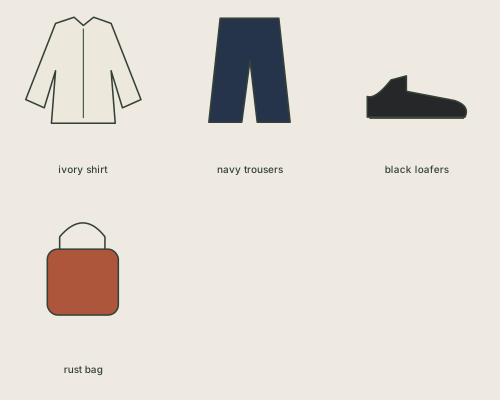
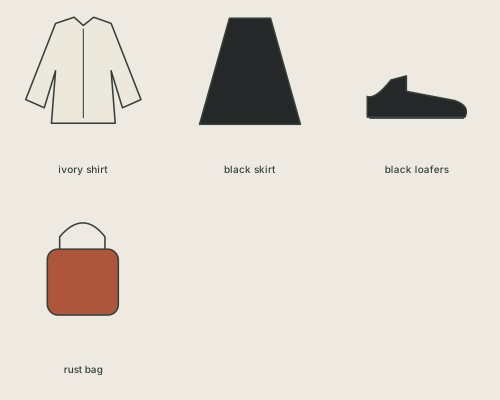
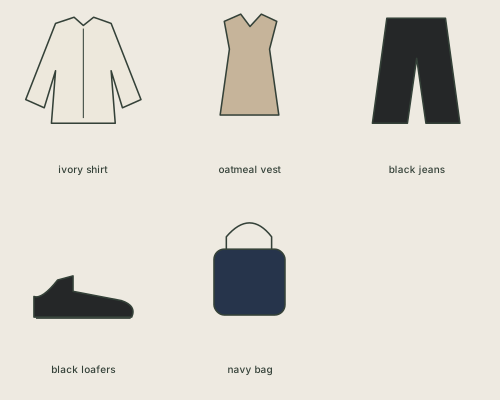
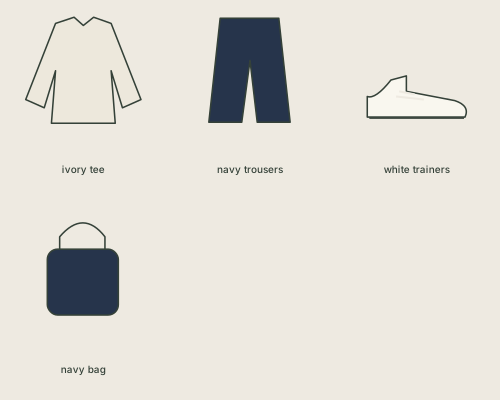
A roomy shirt and wide leg create a relaxed outline; a closer top makes the lower shape more prominent; a blazer gives a shoulder line; a soft knit changes texture. None is assigned to a particular size, height, age or gender. Try one change at a time.
Tuck and contrast are experiments
A full tuck shows the waist; an untucked shirt can feel easier seated; a low-contrast column can be quieter than a light shirt above dark trousers. These are visual choices rather than slimming or height promises. Keep the version that feels useful to you.
Know when styling is not enough
Equipment clearance, medical pressure concerns, orthotic compatibility, treatment and mobility assessment require a suitably qualified professional. The general clothing examples are not clinically reviewed and do not certify safety, fit or performance for an individual.
These are original styling suggestions, not a body diagnosis or a claim of tested individual fit. Published 11 October 2026.
Follow the next useful decision
- Petite-plus outfits with specific fit checks
- Tall fit: check where the garment lands
- Style with the seated view included