Check the hem with your real shoes
Try the jeans with the flat, boot or heel planned for that day. Take a full step, climb a stair and sit. A hem that drags can catch under a shoe; pin it to a usable length before arranging an alteration. A cropped leg is an equally valid choice. Avoid buying a heel just to make an overlong pair work.
Choose one intentional volume decision
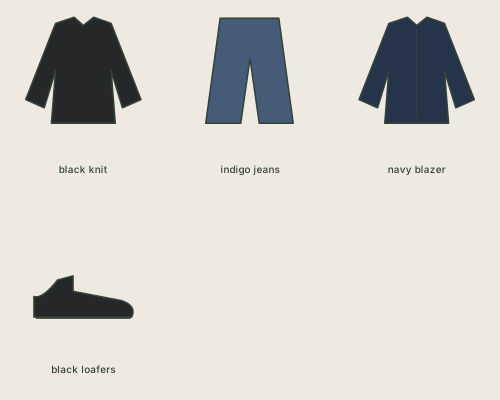
A roomy shirt over a wide leg creates a relaxed shape. A close-fitting top makes the denim the main volume. A blazer adds a shoulder line; a loose knit makes the whole outfit softer. None of these is a universal rule for a particular body size. Try one change at a time so you can see which shape you prefer.
A tuck is optional
A full tuck shows the waistband and can keep a shirt clear of a bag strap. A small front tuck leaves more movement around the sides. An untucked shirt can feel easier at the abdomen or while seated. Check the placket and waistband after sitting; if fabric pulls, undo the tuck or choose a different shirt length.
Rise and fabric are comfort choices
Check the waistband during bending and a long seated stretch, rather than judging fit only in a mirror. Firmer denim holds a more defined shape; a softer or stretch fabric may move differently. Neither guarantees comfort. Check pocket placement, seams and the actual garment care label; do not assume a fabric name tells you its feel.
For petite, plus and tall proportions
Check the rise, crotch length, hip ease and hem separately. A shorter hem may be enough; buying a smaller size to reduce length can remove needed room elsewhere. Tall wearers can check whether a deliberately cropped length still feels intentional. Petite-plus wearers may prefer hemming a roomy pair to forcing a standard rise. Your preferred silhouette decides the outcome.
Warm, cool and wet versions
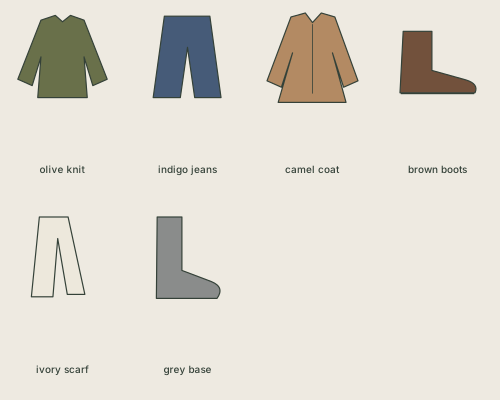
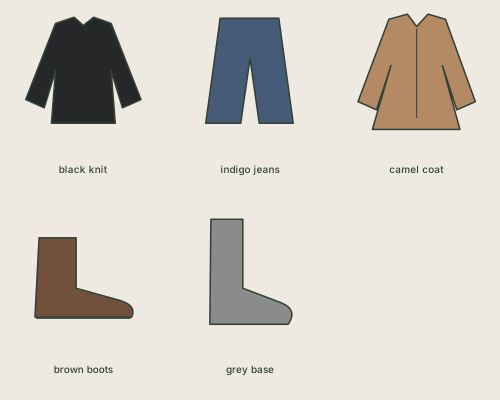
For warm weather, use a light shirt, open neckline if desired and an unlined trouser alternative if your denim feels too heavy. In cool conditions, choose a removable knit or jacket. For cold days, allow room for a suitable base layer and use a coat; for rain, check hem length and choose footwear that you know works in wet conditions. These are styling options, not temperature-rated protection.
Use the looks as experiments
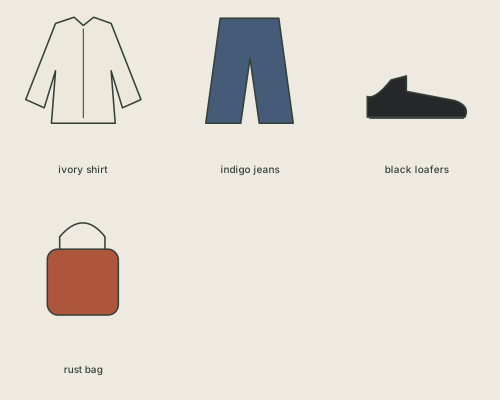
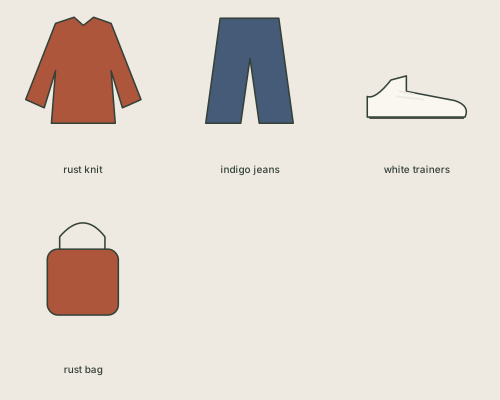
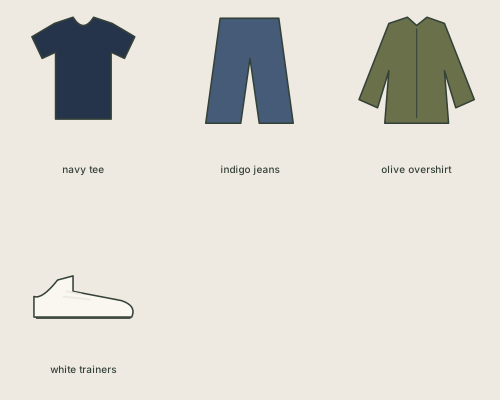
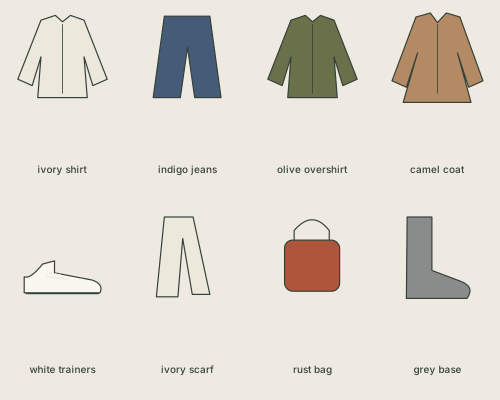
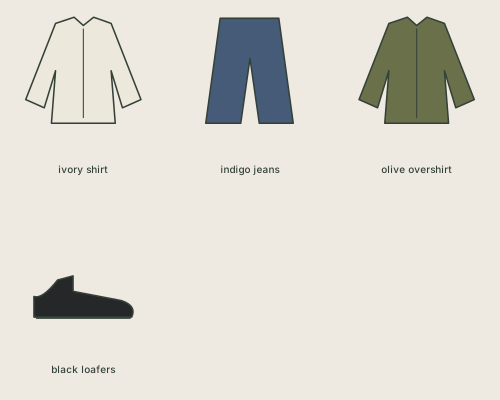
Try the shirt-and-loafer version for a casual office, olive knit and boots for a covered cold-day outfit, or stripes and trainers for a weekend. Save two versions and compare the garments before deciding. Swap one piece from your own closet at a time. Denim permission varies by workplace and event, so check the stated dress code.
These are original styling suggestions, not a body diagnosis or a claim of tested individual fit. Published 11 October 2026.