A long seated study day
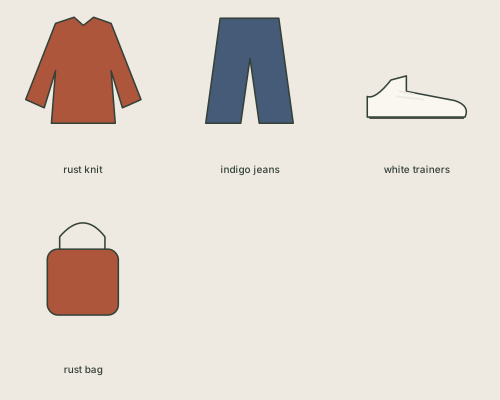
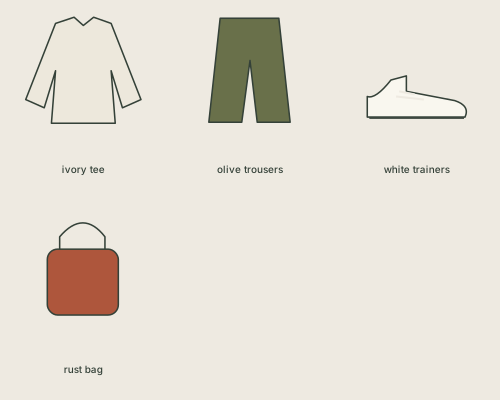
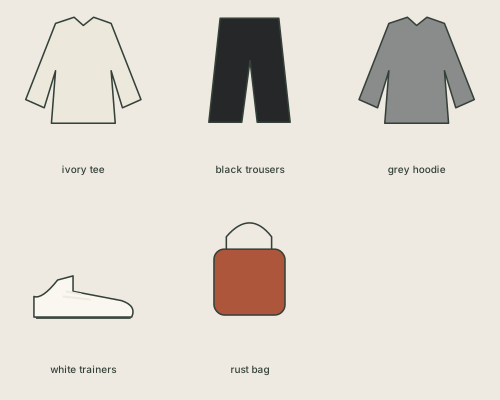
A knit with wide denim and trainers offers a casual study base; a jersey top with elastic-waist trousers reduces fastening decisions. Check waistband, seams and bag position in the seated posture you actually use, not a claim that one fabric treats sensory needs.
A performance or graduation
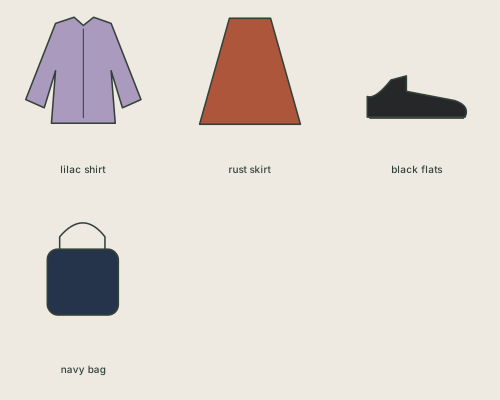
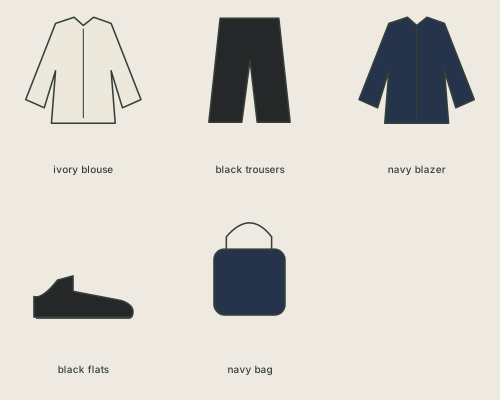
A long printed dress or blouse with wrap skirt can suit a host-approved daytime event. Check the wrap opening, hem and stairs; a closed skirt or trouser is an alternative. School and organizer instructions decide robe, footwear and bag requirements.
A practical layer
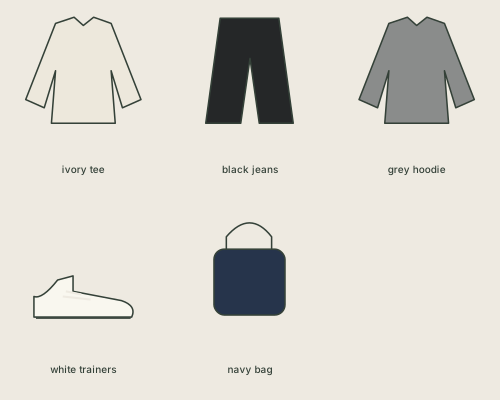
A hoodie or overshirt can be removed when a room warms; a coat serves the outside route. List any actual layer in a plan. Check uniform rules rather than assuming casual clothes or trainers are permitted.
Individual access choices
Choose familiar fastenings, a usable hem and a bag you can reach. A clinician or occupational therapist should assess equipment, pressure, mobility or treatment concerns. The styling examples offer general choices without clinical benefits or age-based prescriptions.
These are original styling suggestions, not a body diagnosis or a claim of tested individual fit. Published 11 October 2026.
Follow the next useful decision
- Familiar fastenings and simpler outfit choices
- Style with the seated view included
- Active-looking, everyday useful