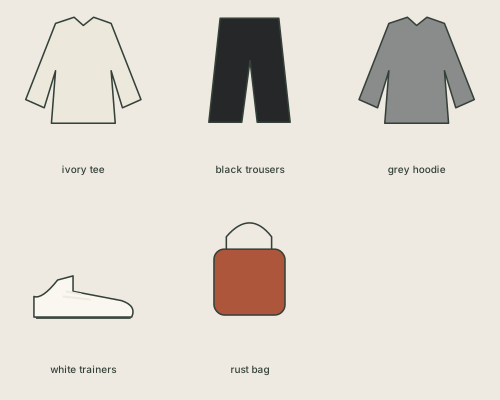
A seated outfit is a real view
Inspect waist comfort, shirt closure, seam placement, pocket bulk and neckline while seated. Then check reaching and your normal movement. A standing garment sketch cannot establish the result for your body or equipment.
Choose a usable lower shape
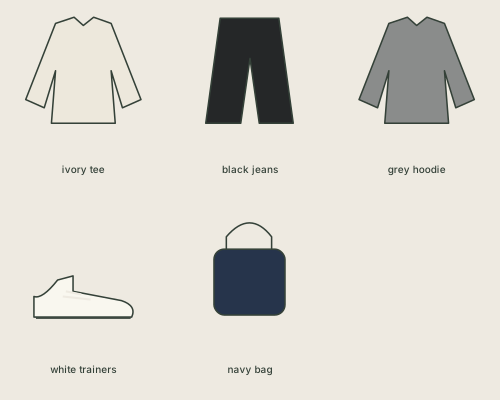
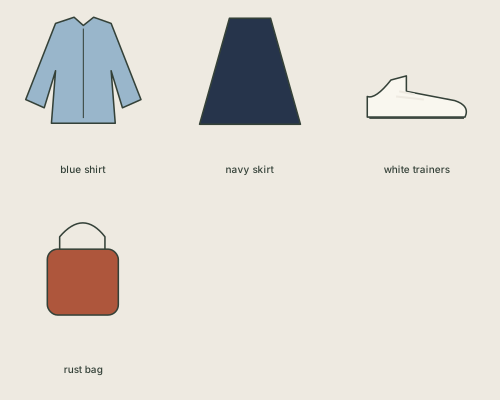
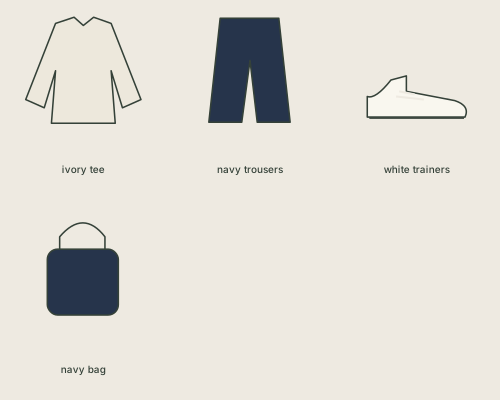
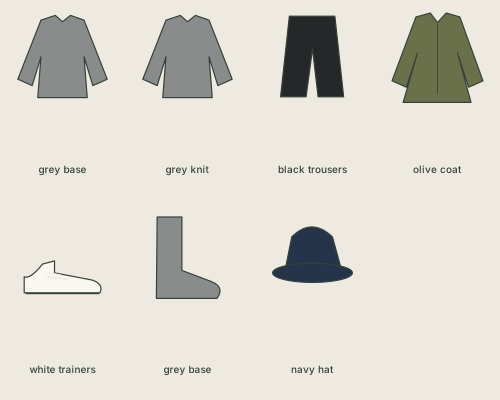
Soft straight trousers, a generous long skirt, or wide denim can give different options. Check pooling and hem clearance around footwear or equipment. A narrower or shorter hem is a practical alternative when generous fabric gets in the way, not a rule against wide legs.
Keep the upper layer reachable
A jersey top avoids a button front; a zip hoodie makes a removable layer; a button shirt may be preferred when the actual opening is usable. Check bag location and straps yourself rather than assuming crossbody always means accessible.
Specific needs require assessment
Wheelchair setup, medical pressure, skin concerns, treatment, mobility and device compatibility require a clinician, occupational therapist or other appropriately qualified professional. The examples here are general styling and are not clinically reviewed.
Record the actual garments
If a formula is replaced with your own seated-fit trouser, opening or layer, put that item in the personal notes and check the full combination. The wardrobe tool stores generic garment types and cannot certify an individual garment’s fit.
These are original styling suggestions, not a body diagnosis or a claim of tested individual fit. Published 11 October 2026.
Follow the next useful decision
- Familiar fastenings and simpler outfit choices
- Texture and seam preferences, made explicit
- Fit and proportions are separate decisions