Start with the actual activity
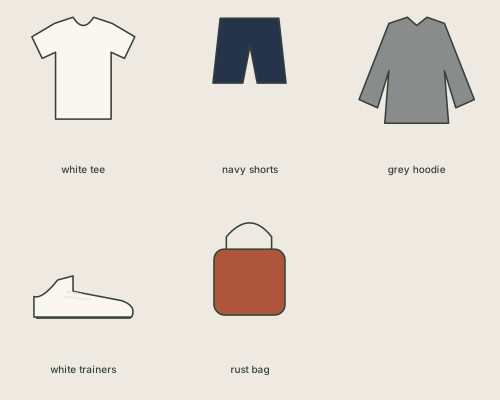
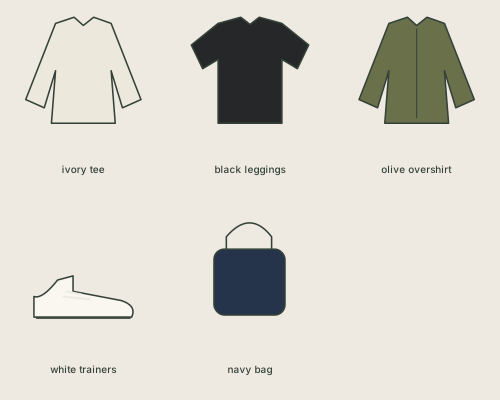
A plain tee, sports shorts and trainers offer a sporty casual silhouette. Leggings with a long top and overshirt give a covered errands direction. Neither is a prescription for the technical demands of a sport; use appropriate activity guidance for that.
Check movement and opacity
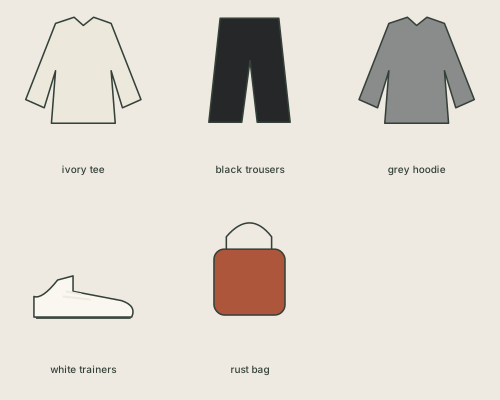
Sit, bend and move in the actual garment before relying on a still photo. Check waist pressure, seams and opacity. A long top is an optional coverage choice; loose straight trousers are an alternative to a close-fitting leg.
Use a removable indoor layer
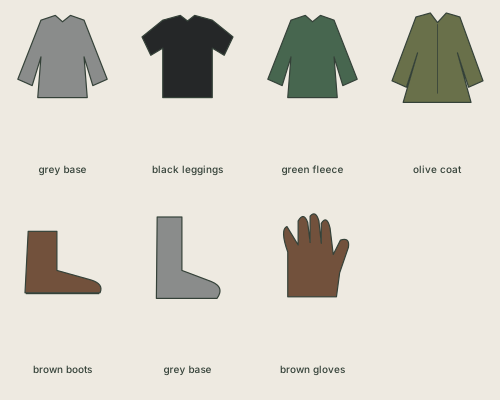
A zip hoodie can be useful for changing room temperature; a fleece or coat may be part of the outside route. Map the actual layer you use into a plan rather than assuming active clothes are enough for the forecast.
Code and comfort are personal
Workplaces, schools and venues set different rules for sporty pieces. A blazer does not automatically override them. Easy-on shoes and elastic waists are fastening options, not medical or sensory-treatment claims; individual equipment needs merit qualified advice.
These are original styling suggestions, not a body diagnosis or a claim of tested individual fit. Published 11 October 2026.
Follow the next useful decision
- Texture and seam preferences, made explicit
- Familiar fastenings and simpler outfit choices
- Study days and school events