Use the visible collar as the experiment
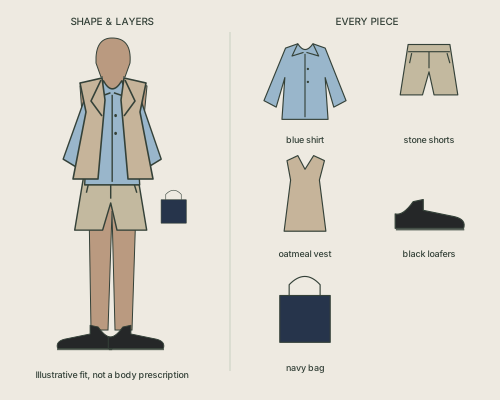
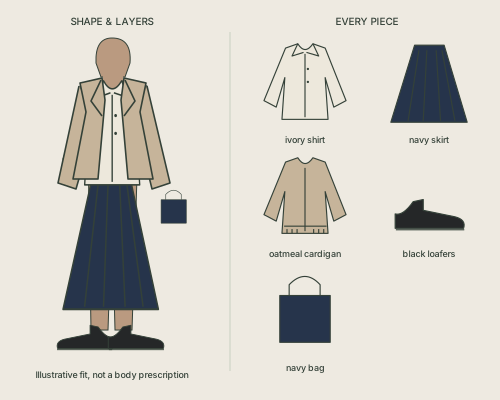
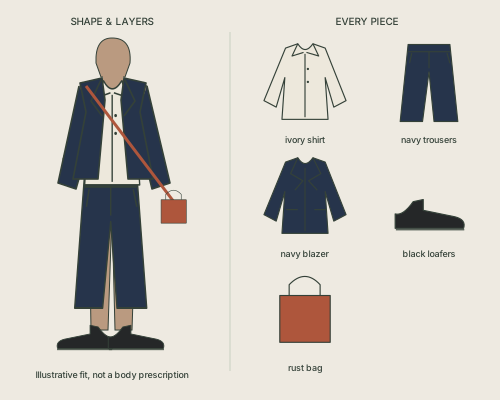
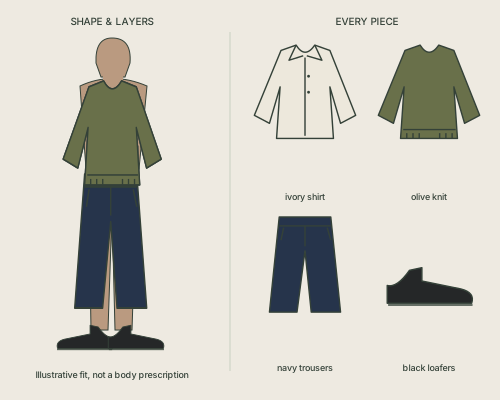
A collared shirt beneath a vest reveals a defined neckline while leaving the lower outfit open to choice. A cardigan above the shirt gives a removable layer; a blazer creates a different shoulder line. Test the neck and armhole stack in the actual clothes. A collar can feel crowded even when the colour combination looks simple.
Shorts, skirt and trousers do different jobs
Shirt, knit vest, tailored shorts and loafers make an informal dry-day look where shorts are permitted. Shirt, pleated long skirt, open cardigan and loafers make covered separates. Shirt, straight chinos, blazer and loafers make a business-casual candidate. The lower garment changes the construction and context; it is not an accessory-only variant.
Replace the uniform assumption
School and workplace rules vary. Ask about shorts, denim, footwear and any specified uniform instead of treating preppy imagery as permission. Outside a uniform, you can use one collar-and-layer detail with a casual skirt or trouser. A jacket does not automatically turn trainers or shorts into accepted interview clothing.
Adjust coverage without losing the relationship
Use a long shirt sleeve beneath the vest and your preferred long trouser or skirt. Try the shirt untucked, a small tuck or a longer cardigan if that feels better seated. If pleats add unwanted bulk, a smooth skirt keeps the collar-and-knit idea. Choose the actual shoe you enjoy and check the hem with it rather than adding a heel for a body-proportion rule.
Repeat only the useful part
After a day in the outfit, record whether the collar, removable knit or defined shoe helped. Keep that element and change the part you kept adjusting. A colour-coded set is optional; using your existing shirt and knit with a different lower garment teaches more about your preferences than buying a matching outfit at once.
These are original styling suggestions, not a body diagnosis or a claim of tested individual fit. Updated 12 October 2026.