Separate shape from performance
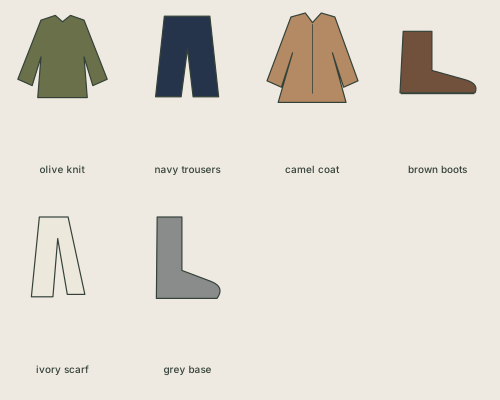
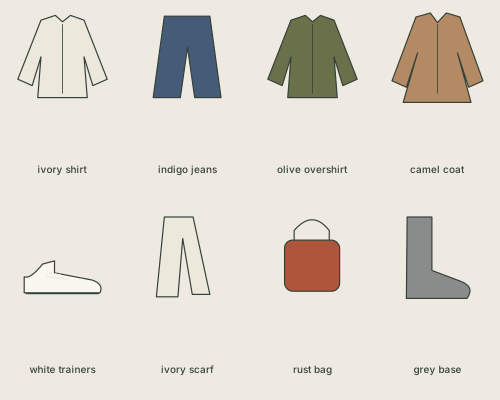
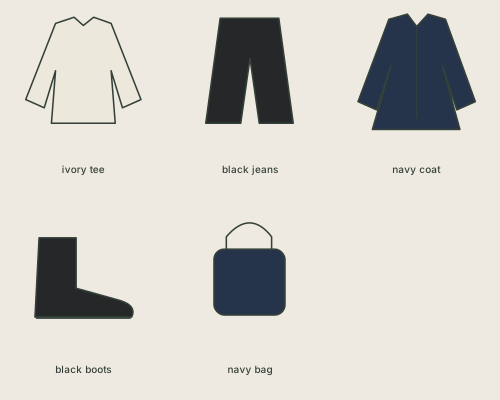
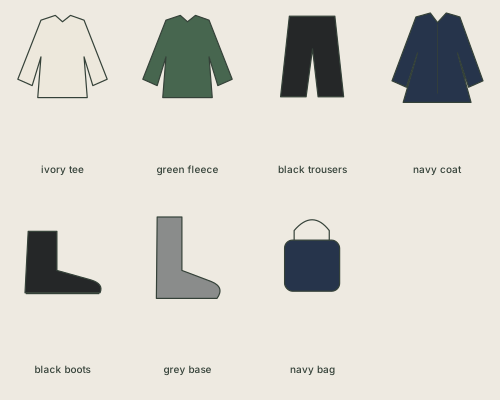
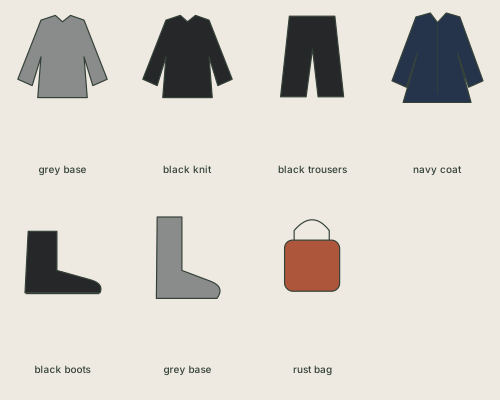
A long camel coat creates a strong frame around dark clothes, while a short jacket changes the indoor silhouette. A shell has an outer weather role when its actual properties suit your conditions. The word coat, trench or parka is not a guarantee of warmth or waterproofing.
Fit it over the layers you use
Put on the real base and middle layers before checking reach, closure and seated comfort. Test sleeves at the elbow and shoulders. If a coat is only comfortable over a tee, do not assume it will accommodate the cold-day stack you planned.
Give rain a hem plan
Keep trouser and skirt hems clear of puddles and check footwear that you know works in the wet. Wide denim can collect water; a narrower or shorter-hem trouser is an alternative. A rain layer should be listed as a real packing item, not hidden in a caption.
Plan the indoor version
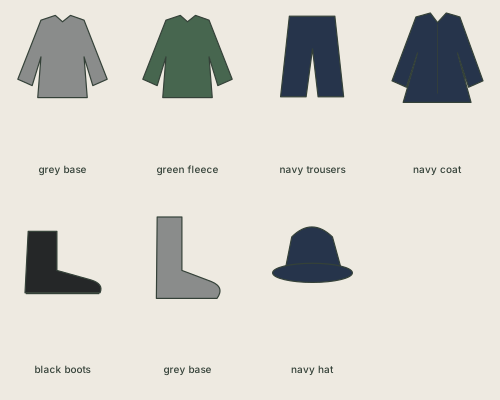
Choose a complete base beneath the coat so removing it at work or dinner is easy. An overshirt or cardigan can provide a removable middle for a train or cooled room. Carry fewer layers when your own conditions permit, rather than dressing to a calendar month.
Use your familiar outerwear
Style suggestions cannot rate your coat for the forecast. Start with the weather protection you already trust, then arrange colour and silhouette beneath it. Add gloves, scarf and extra bases to your personal plan if used; they are not automatically implied by a coat.
These are original styling suggestions, not a body diagnosis or a claim of tested individual fit. Published 11 October 2026.