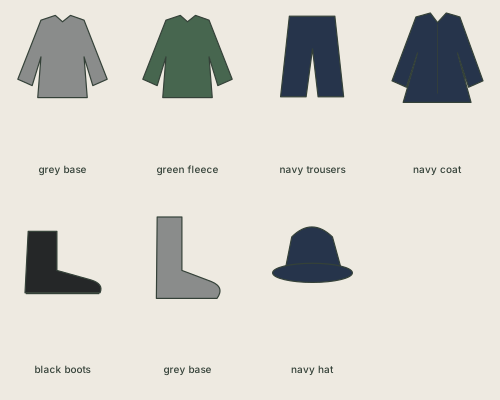
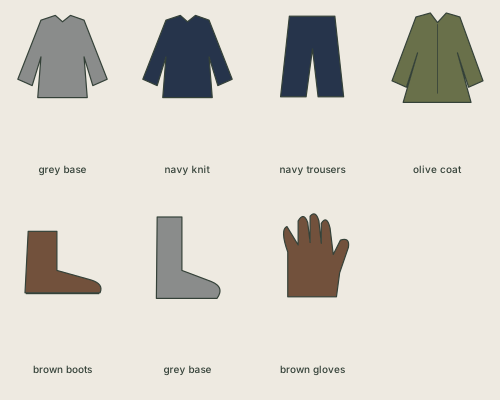
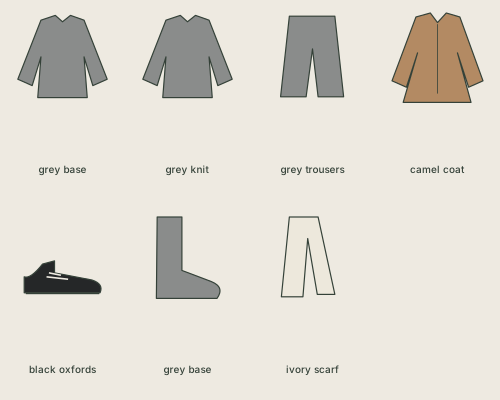
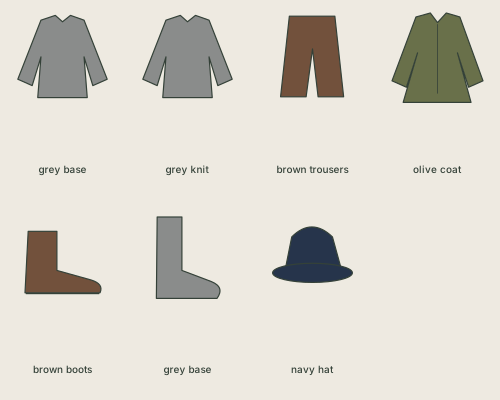
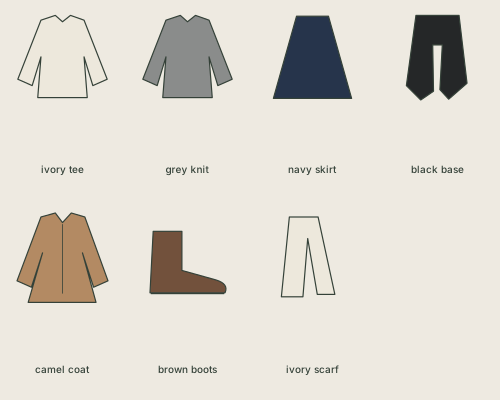
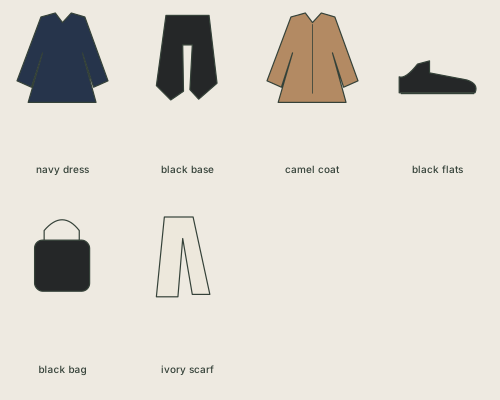
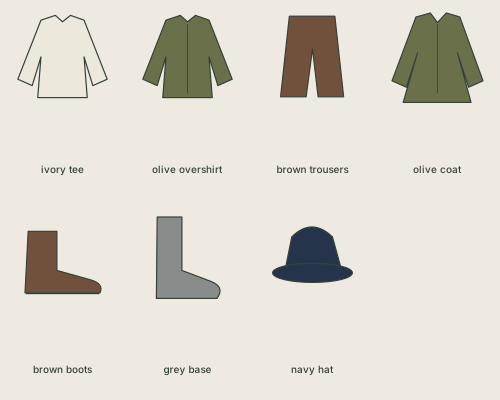
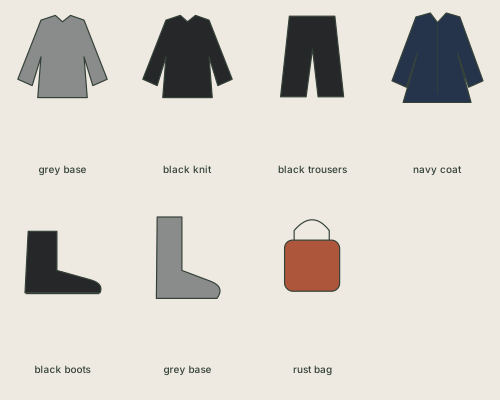
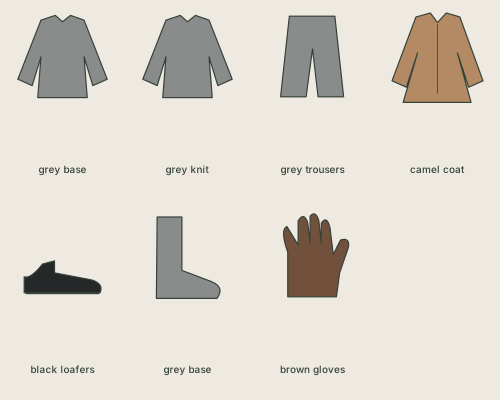
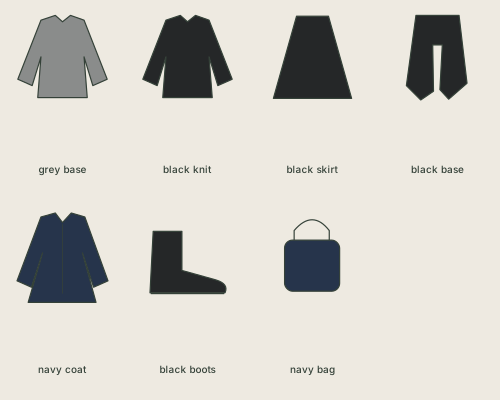
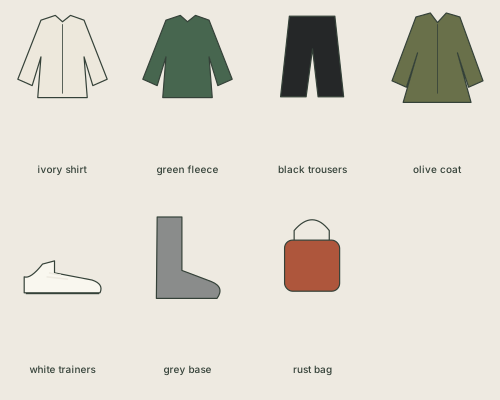
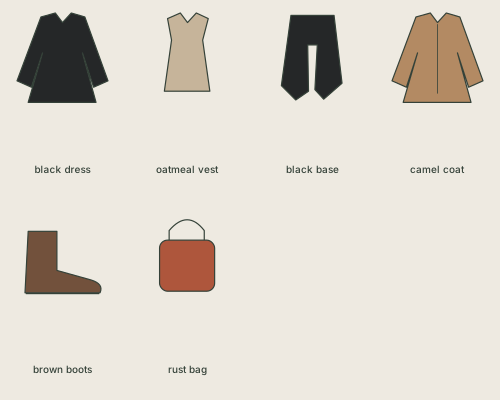
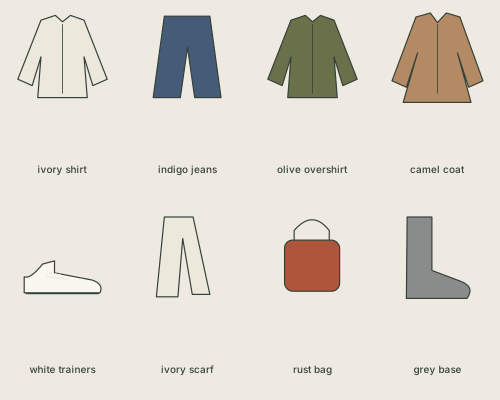
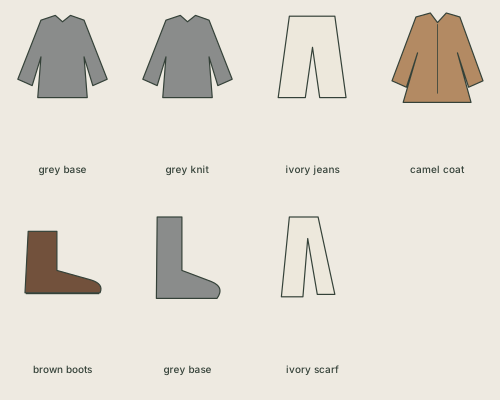
Make each layer role explicit
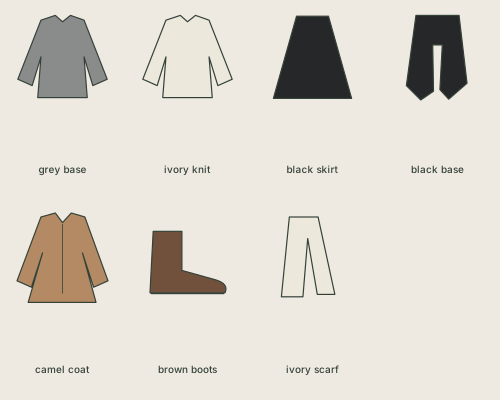
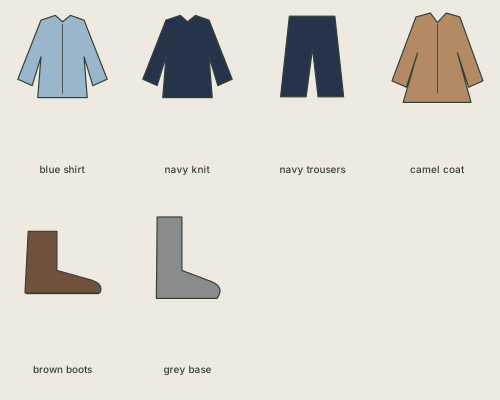
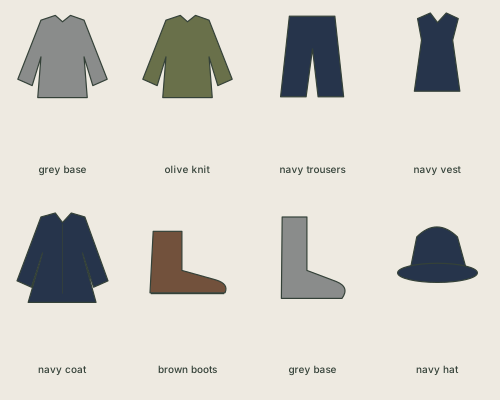
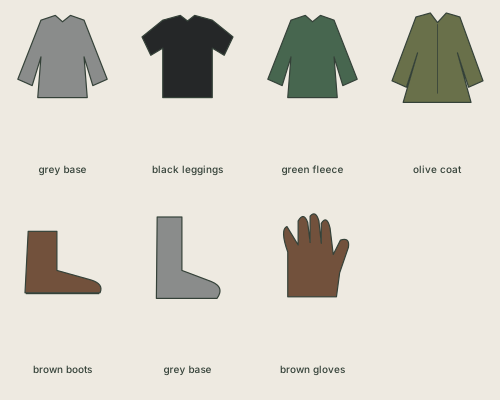
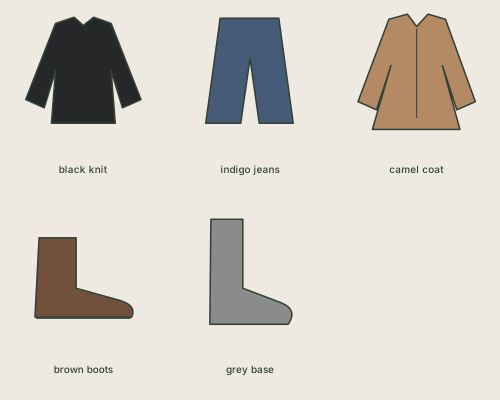
A base sits next to the body, a middle supplies an insulating role, and an outer layer addresses the conditions. Our formulas map the chosen pieces; your actual weights, fit, activity and time outdoors decide whether you need more or different protection. No look has a safe-temperature rating.
A casual trouser route
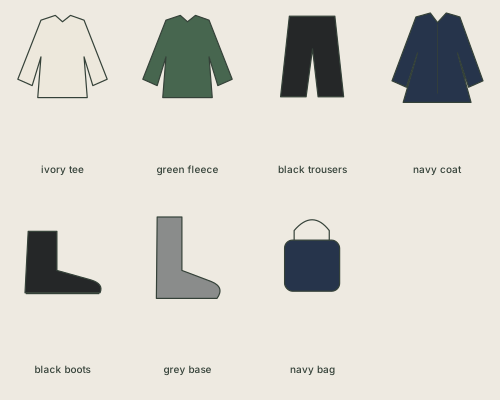
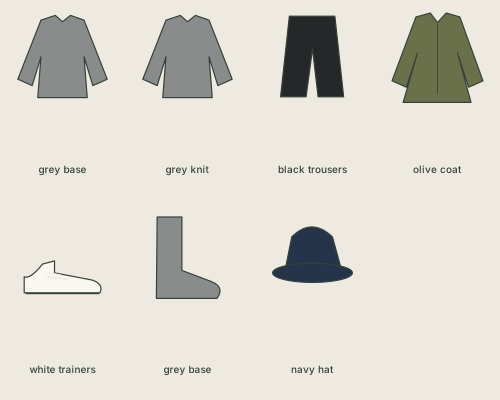
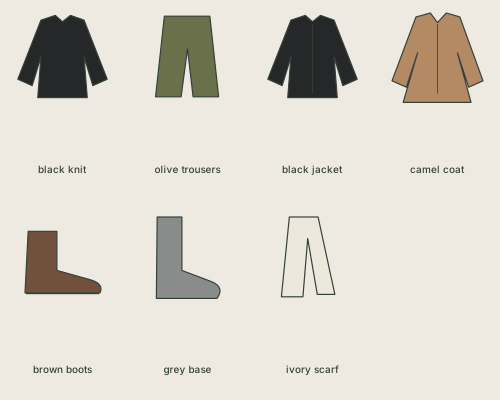
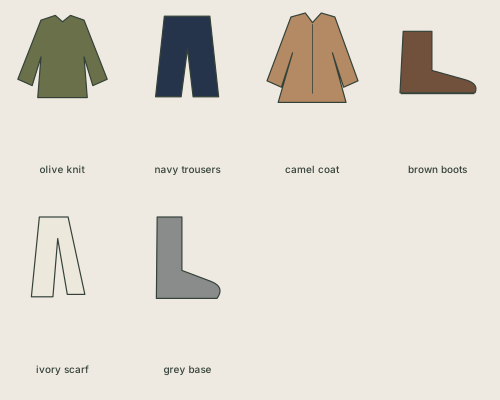
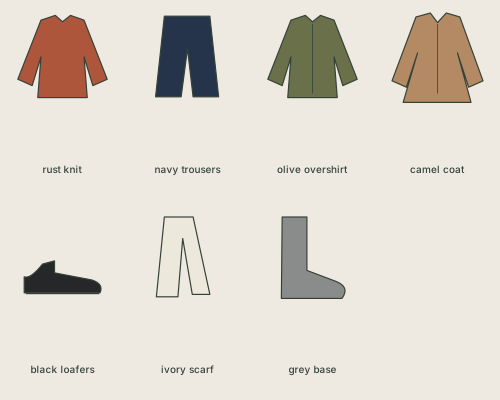
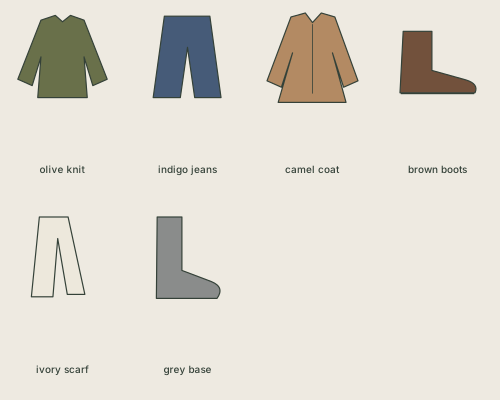
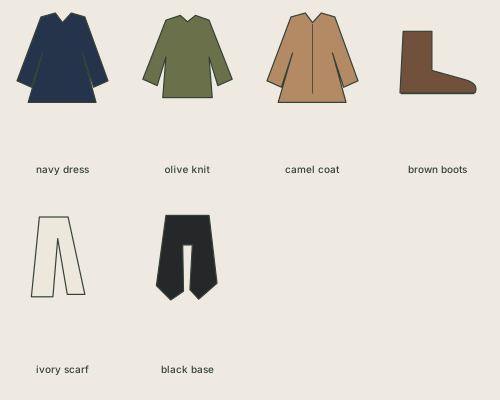
Olive knit, chinos and coat give a dry errands option; fleece and shell over a base create a different rain-aware stack; corduroy and zip-neck knit offer a textured dry alternative. Boots and socks are named pieces, with actual footwear properties checked separately.
A workday still needs its code
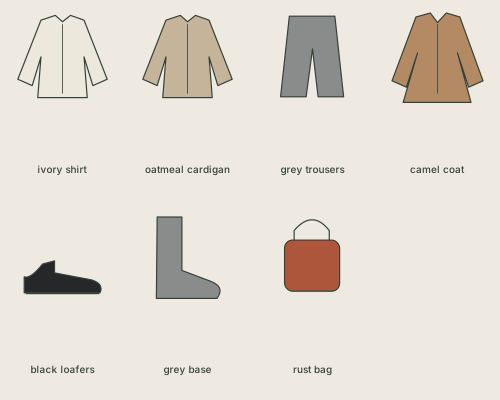
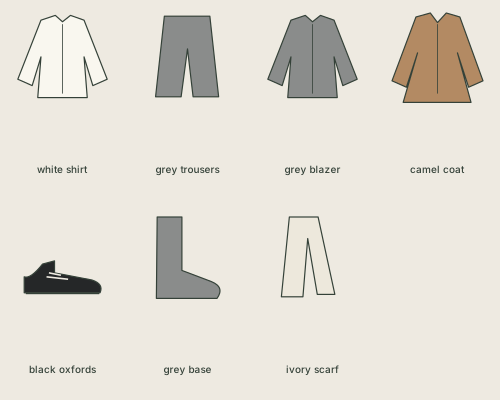
Matching suit beneath a roomy coat gives a suit-required indoor base. Cardigan, shirt and tailored trousers offer a separates-friendly alternative. A dress shoe or loafer may work indoors while a different familiar weather shoe is needed outside; plan both honestly.
Skirts and dresses need a leg decision
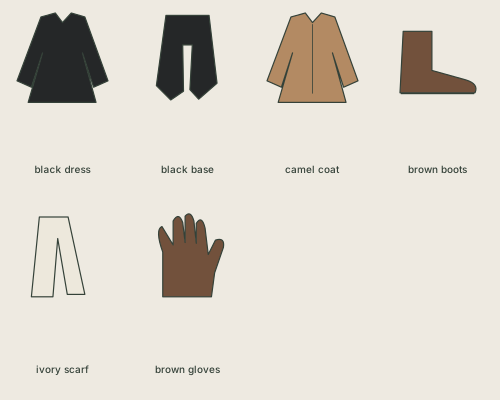
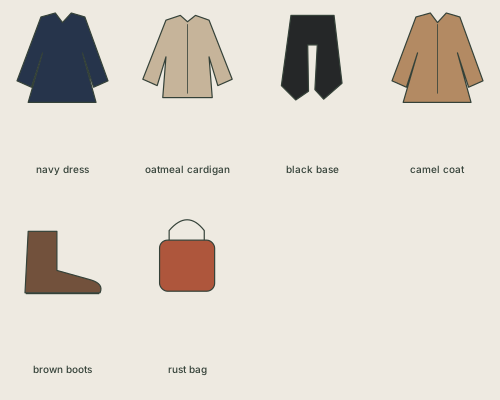
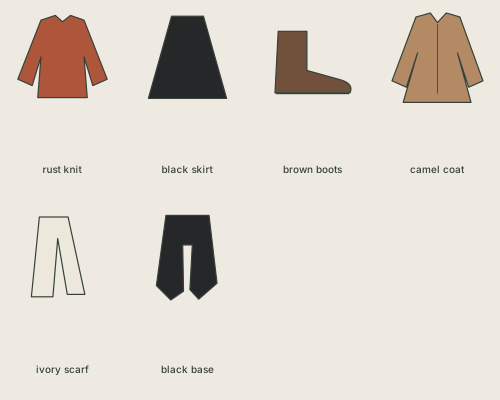
Cold long-skirt and dress formulas include tights where used. Check the actual tights and skirt opening while moving. Loose trousers are an alternative when tights, seams or a narrow skirt feel inconvenient. A long hem by itself is not a warmth guarantee.
Travel, rain and indoor changes
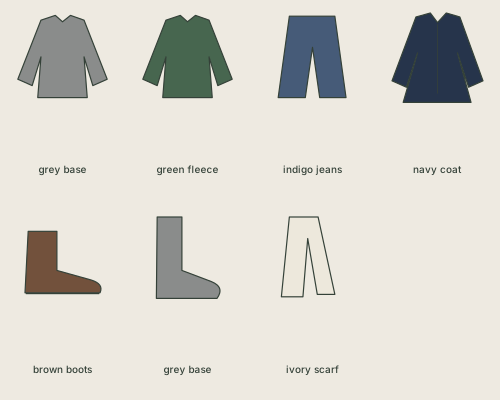
Choose a complete base that remains usable when your coat comes off. Add a shell and footwear suited to rain when needed; keep hems clear of puddles. An insulated gilet is a different middle-layer construction, but it does not replace appropriate sleeve insulation.
A formal evening has an outside route
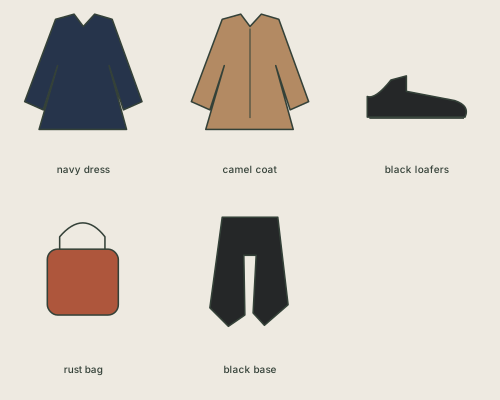
An occasion dress or evening tailoring supplies the indoor code; a coat and mapped leg layer serve the commute. Borrowing occasion pieces can be practical. Ask the host about formality and culture, and carry a separate route shoe if outdoor and indoor needs differ.
These are original styling suggestions, not a body diagnosis or a claim of tested individual fit. Published 11 October 2026.