Name the roles before the colours
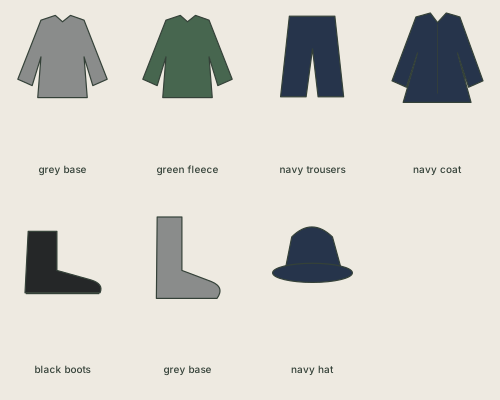
A base, middle and outer layer can meet different needs. Choose the actual garment properties for the weather and activity; then use colour, length or texture to make the stack feel like you. More layers are not automatically better when sleeves or waistbands become restrictive.
Check all the clothes together
Reach, sit, bend and step with the actual stack on. Inspect the collar, armhole, elbow and waistband. A blazer or coat that fits alone may need more room over a shirt and knit. Remove an unnecessary layer instead of forcing a tight stack flat.
Make removal simple
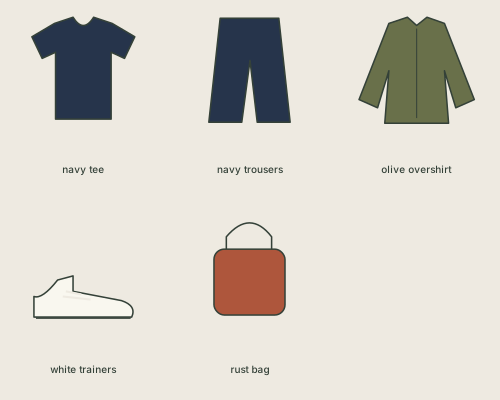
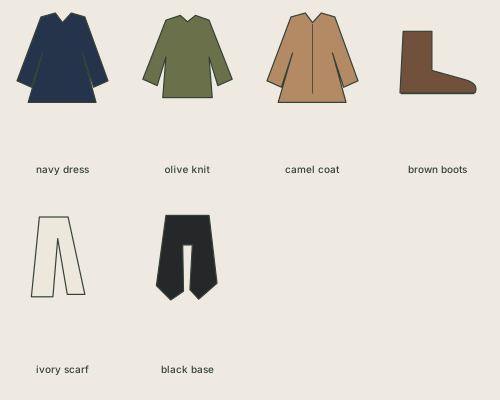
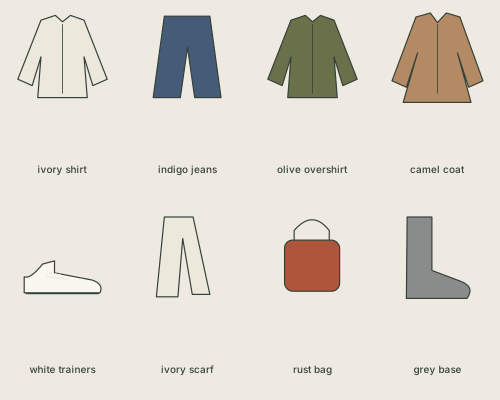
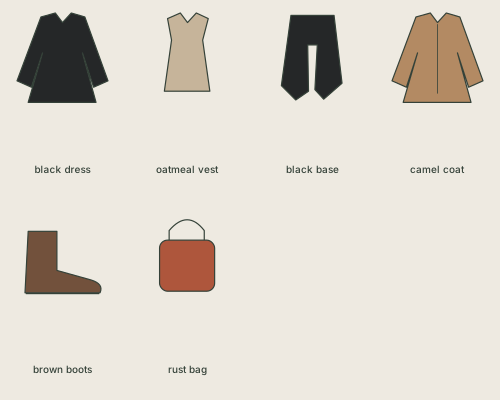
The striped tee, chinos and overshirt remain a complete casual outfit when a coat comes off. Shirt dress and cardigan make a different long-hem base. Map a bag when you intend to carry a scarf or layer, rather than leaving carrying needs invisible.
Try one change at a time
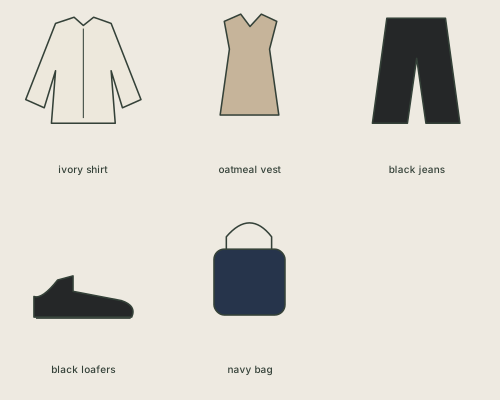
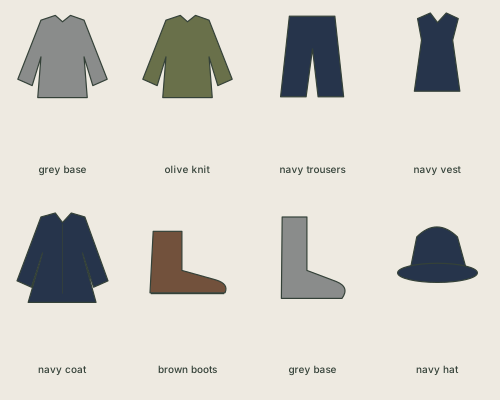
A vest over a shirt creates a different sleeve construction; a fine knit under a blazer gives a quieter collar; a knit over a dress makes the dress act like a skirt. Test one silhouette change with owned pieces rather than buying several layers for an imagined formula.
Record the actual forecast adaptation
The mapped pieces are the named starting combination, with any additional base or protection written into your personal plan. Your actual warmth, rain, movement and comfort needs take precedence over the diagram. Medical or equipment-specific concerns need qualified guidance.
These are original styling suggestions, not a body diagnosis or a claim of tested individual fit. Published 11 October 2026.
Follow the next useful decision
- Choose the outer layer for the actual route
- Knits: texture, neckline and room to layer
- Changing fit, maternity and nursing access