Resolve the code first
Ask the recruiter or employer when the invitation does not explain attire. A matching suit may be useful where required; collared shirt and separate trousers may fit an explicitly business-casual interview; trainers need explicit casual-footwear permission. Do not infer the code from a job-title stereotype.
Try the seated interview
Check shirt closure, collar, blazer reach, waistband and trouser or skirt hem in the position you will use. Keep pockets and accessories useful rather than assuming a particular body shape needs a styling correction. Your preferred flat shoe is a valid planning choice.
Three complete directions
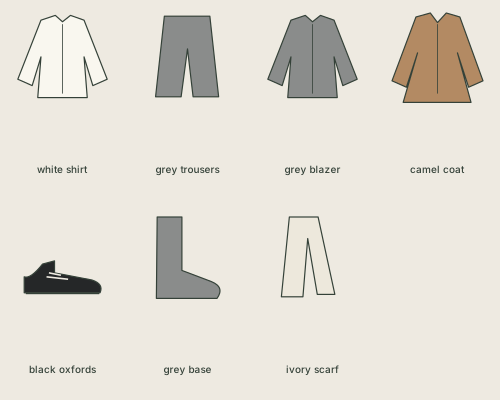
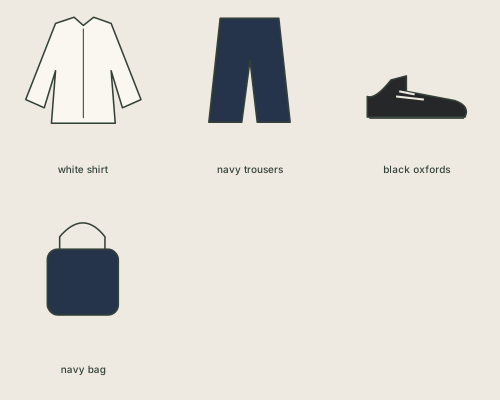
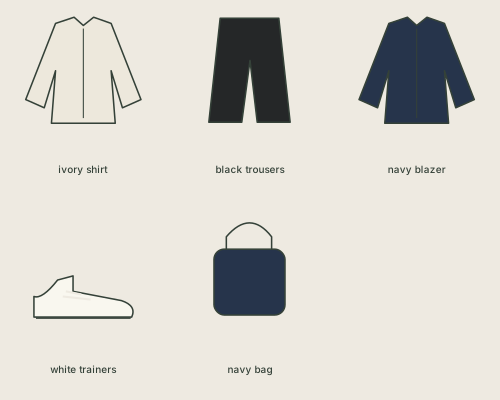
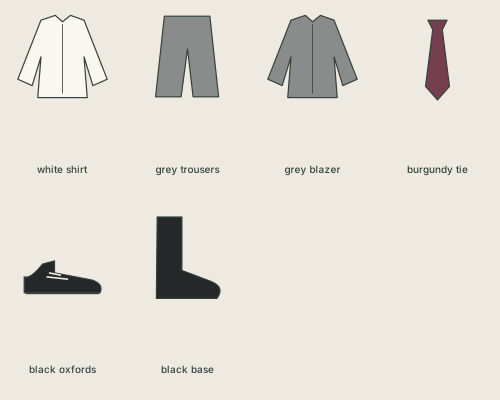
The matching charcoal suit with formal shirt gives a tailored base. The light formal-collar shirt and navy lightweight trousers offer a business-casual route when permitted. The creative-casual shirt, blazer, soft trousers and trainers are specifically conditional on the employer’s code.
Separate route and room needs
A cold journey can require a coat and socks; rain can require a shell or different footwear. Carry the indoor shoe when needed and list it honestly. Leave time for the actual route and venue instructions; this site does not provide a forecast or access guarantee.
Borrow, alter or restyle
Try existing clothes before buying a new interview outfit. Borrowing can suit occasional tailoring, while an alteration may resolve a usable hem or sleeve length. Check the whole fit before altering one point, and confirm price and timing with the provider yourself.
These are original styling suggestions, not a body diagnosis or a claim of tested individual fit. Published 11 October 2026.