Try one changed role
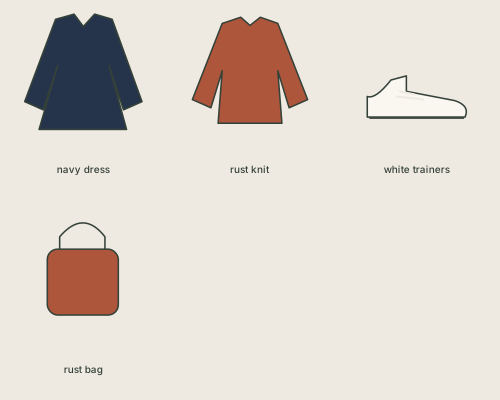
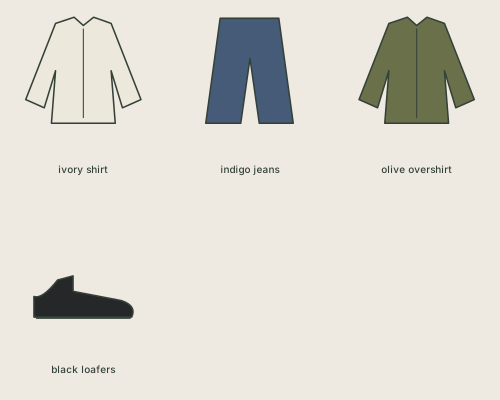
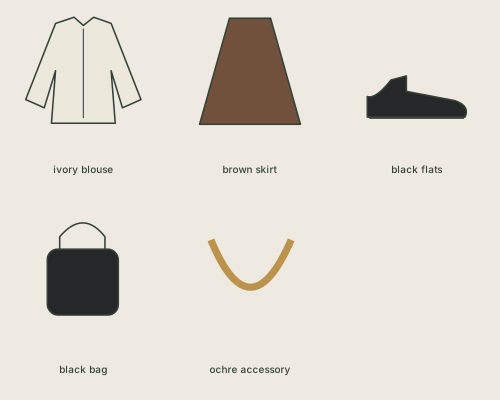
Use a shirt as a top or open layer, put a knit above a shirt dress, or change a casual shoe to a familiar dressier flat where the code permits. Compare the actual garments and fit. A colour change alone is not evidence that you need another item.
Repair or alteration as a specific option
A hem, sleeve or closure repair may solve a defined issue. Check the whole garment fit before altering one point; fabric, construction, feasibility, price and timing need a real provider assessment. No generic saving or environmental number is claimed.
Borrow, rent or secondhand with context
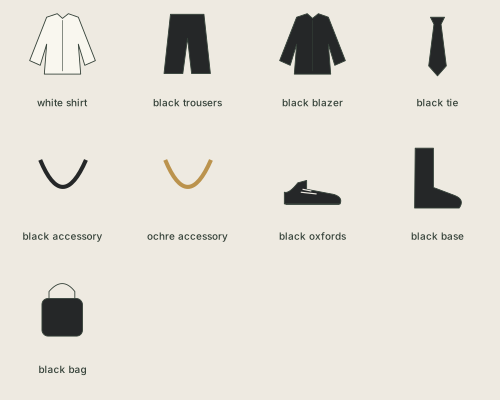
Occasional formalwear can be a candidate for borrowing or renting when fit, accessories and return timing work. Secondhand pieces still need condition, care and fit checks. Confirm actual terms and costs; an apparently lower price is not proof of value.
Cost per wear with honest inputs
Our tool calculates purchase cost plus total care minus resale, divided by the wear count. Actual completed wears and estimated future wears remain labelled. Enter one currency; no conversion, resale forecast or environmental impact is invented. A free garment can have zero purchase cost, while the divisor must be positive.
A low number is not a buying instruction
A large estimated wear count can make a proposed purchase appear inexpensive per wear without proving you will use it. Compare with the clothes and combinations you already have, check the concrete need, and keep uncertainty in the assumptions rather than treating the tool as financial advice.
These are original styling suggestions, not a body diagnosis or a claim of tested individual fit. Published 11 October 2026.
Calculate with your own costs ↗
Follow the next useful decision
- Care labels and a realistic rewear plan
- Personal style as a practical experiment
- A capsule with actual mapped outfits