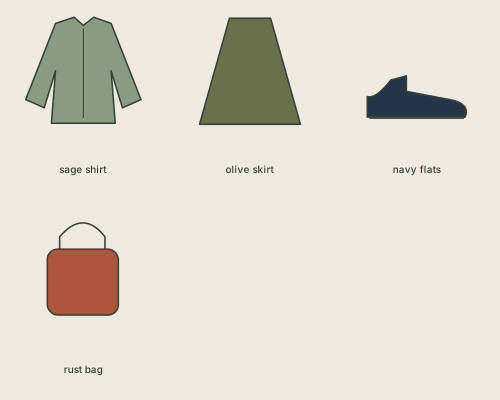
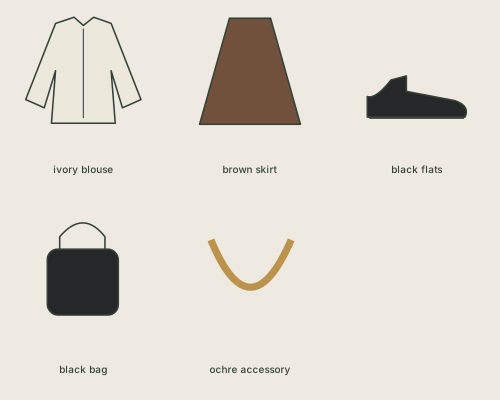
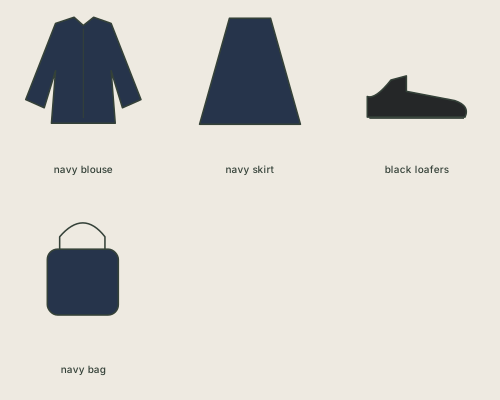
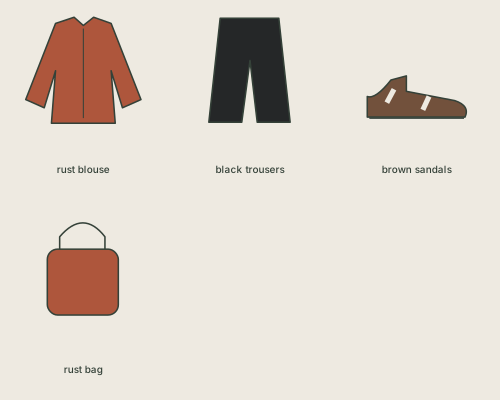
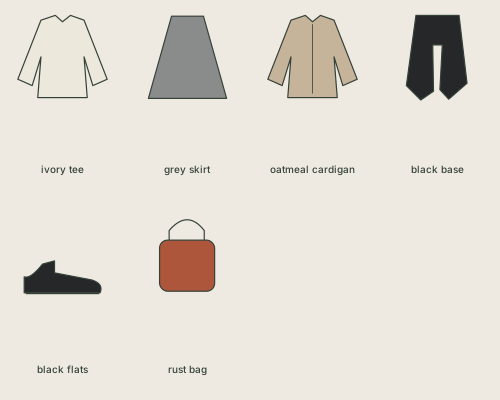
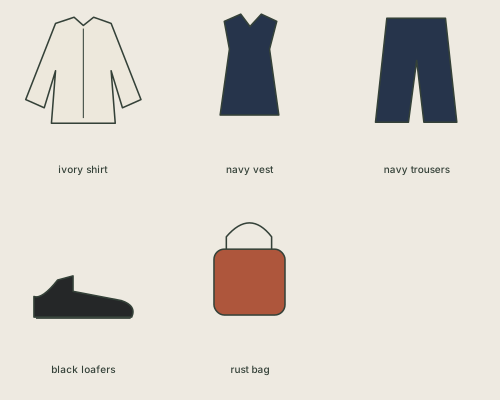
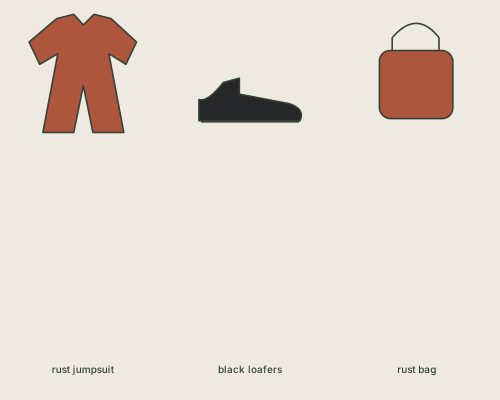
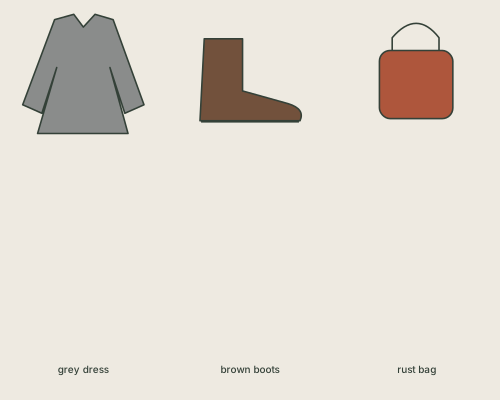
Separate the fitting decisions
Check sleeve and garment-body length, trouser or skirt hem, rise and torso length separately from shoulder, bust, seat and hip room. A shorter hem may be enough; a smaller overall size can remove ease you need. Use your preferred shape rather than a prescription to appear taller or slimmer.
Trousers and denim
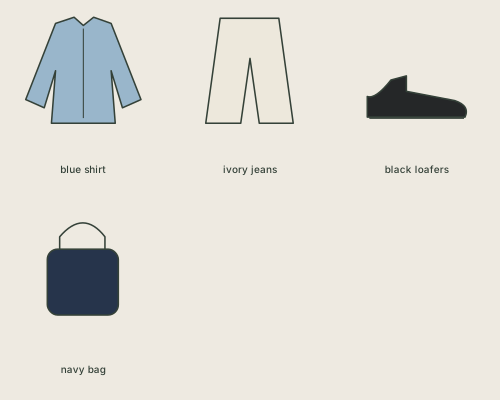
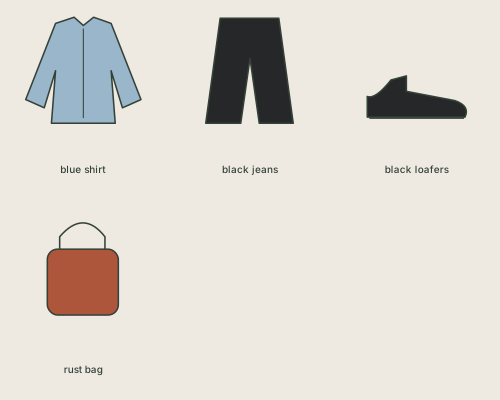
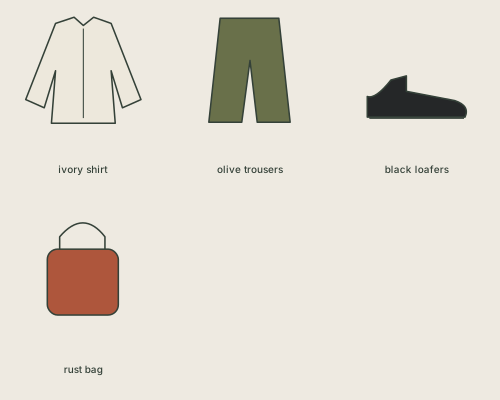
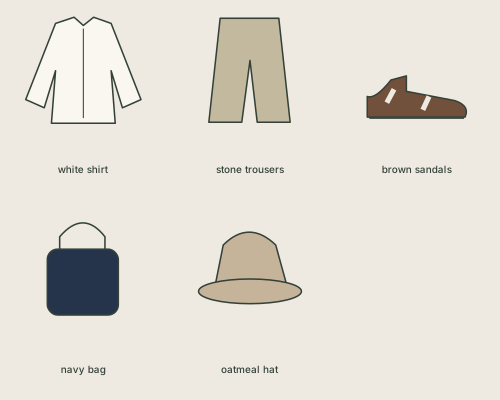
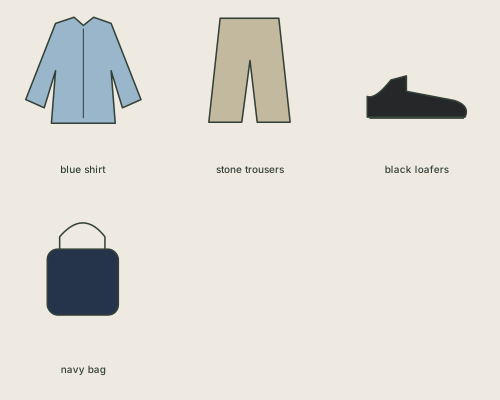
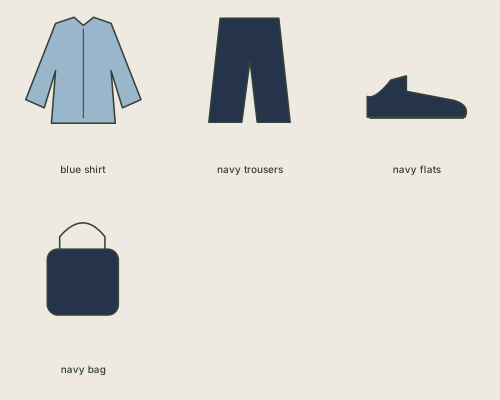
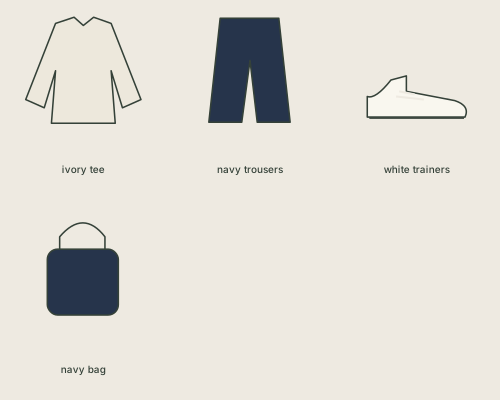
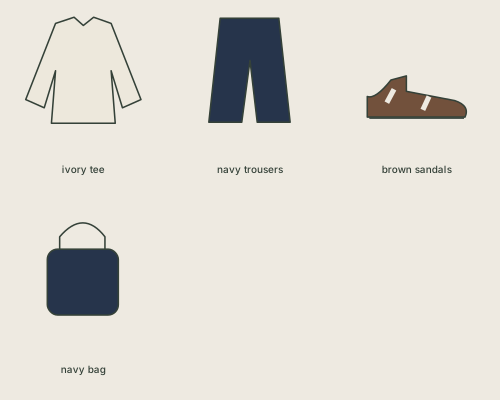
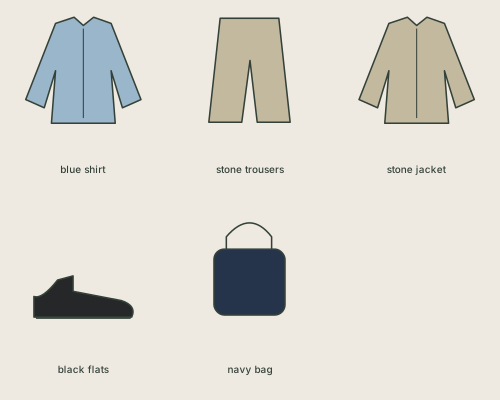
Hem with your actual flat shoe and check rise and seat comfort while sitting. For a loose shirt, adjust cuff or body length independently of bust and shoulder room. A partial tuck is optional. The wide-denim and lightweight-trouser examples include specific checks rather than a heel requirement.
Skirts, dresses and wrap overlap
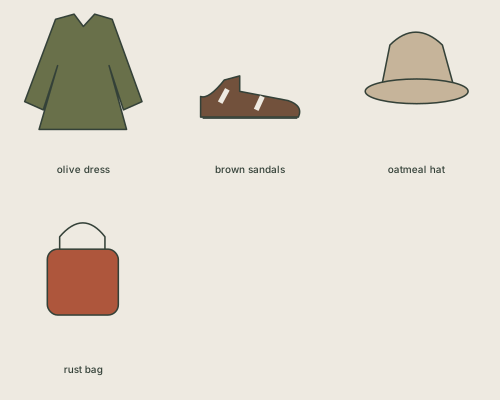
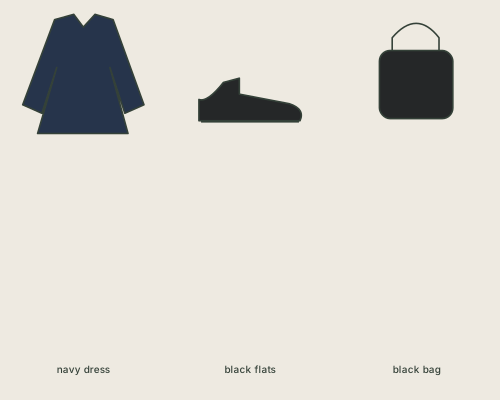
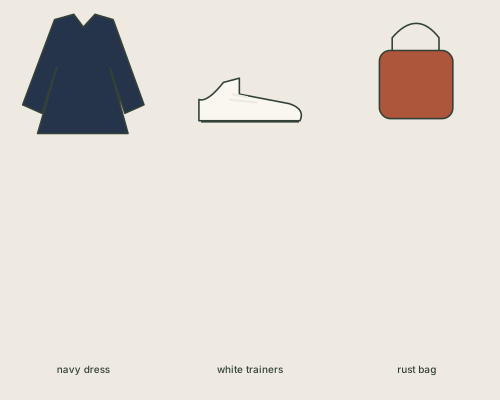
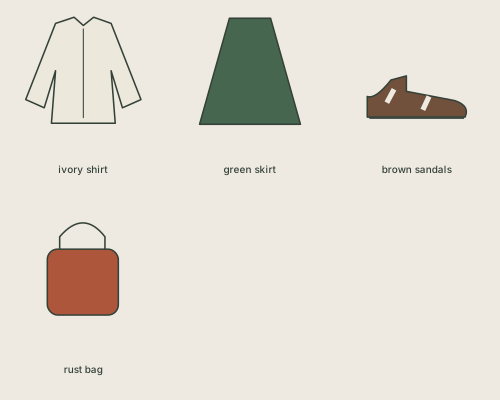
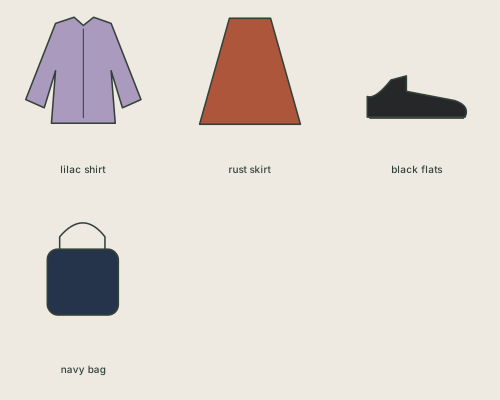
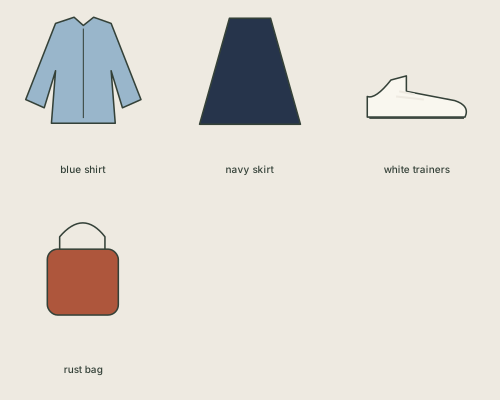
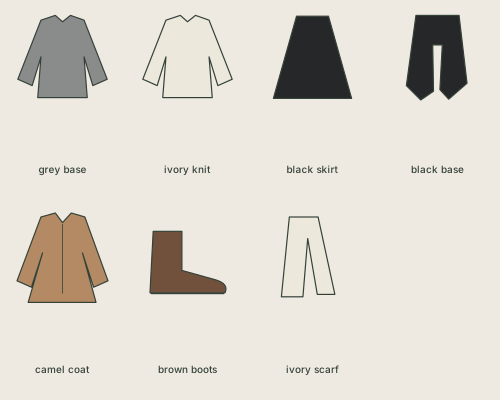
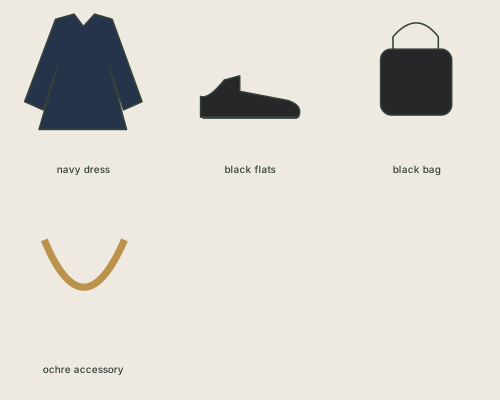
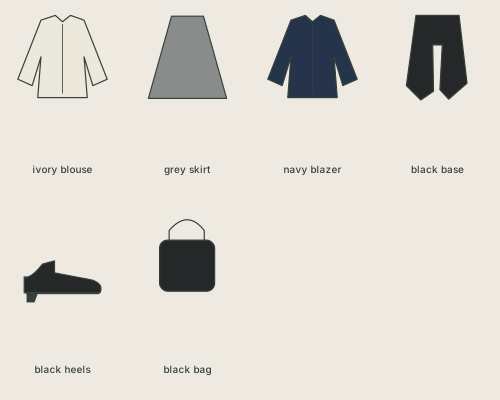
Fit the waist and hip first, then check the hem, a large step and any slit or wrap opening. A floor-length gown needs a torso-versus-hem check with flats. Do not reduce wrap overlap or movement room merely to make the garment shorter.
Layers and closer-fitting pieces
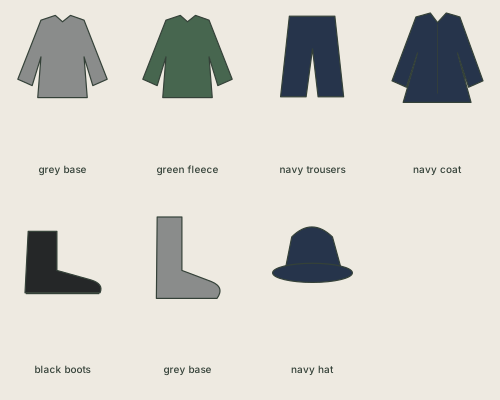
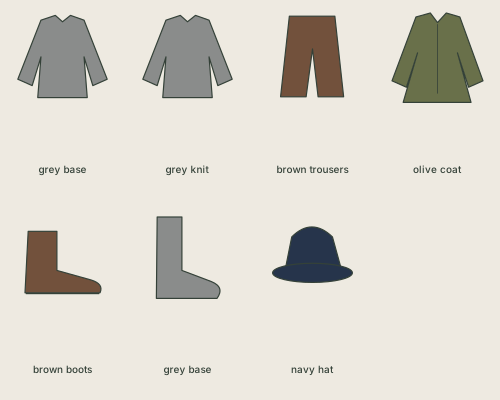
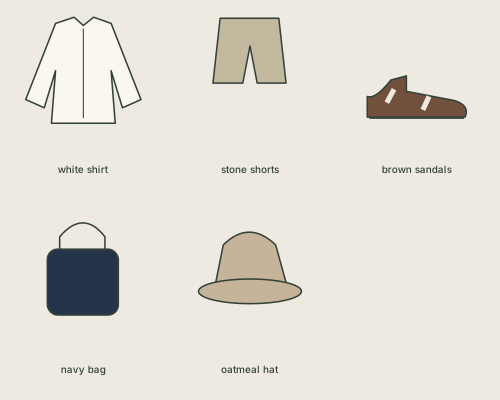
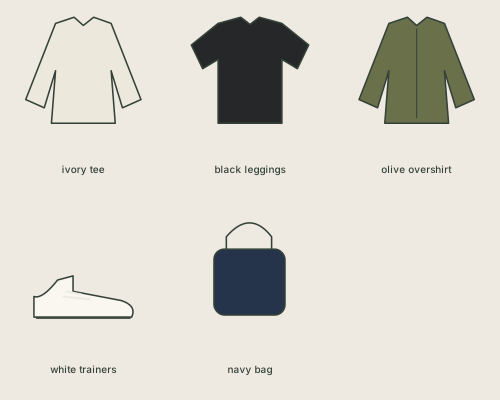
A shell over fleece needs sleeve and shoulder room with the actual layers on. Shorts need seated knee-length and seat checks. Leggings need rise, waist pressure and opacity checks before leg length. The linked formulas cover these different constructions instead of counting palette changes as new fit solutions.
Use the choices as adaptations
The examples are complete generic combinations with adjustment points, not claims of tested individual fit or retailer size availability. Confirm alteration feasibility with a provider. If your needs involve medical pressure or equipment, seek qualified assessment rather than relying on a styling diagram.
These are original styling suggestions, not a body diagnosis or a claim of tested individual fit. Published 11 October 2026.
Follow the next useful decision
- Fit and proportions are separate decisions
- Flats are a complete choice
- Changing fit, maternity and nursing access