Read the instruction, not only the event name
Copy the invitation wording into your planning notes. Black tie, formal, cocktail and dressy casual ask different questions; the fact that an event is a wedding does not define its code. Check ceremony location, season, host requests, cultural expectations and any required covering. Ask the host when the words conflict or are unclear rather than guessing from a shopping category.
Choose the appropriate branch
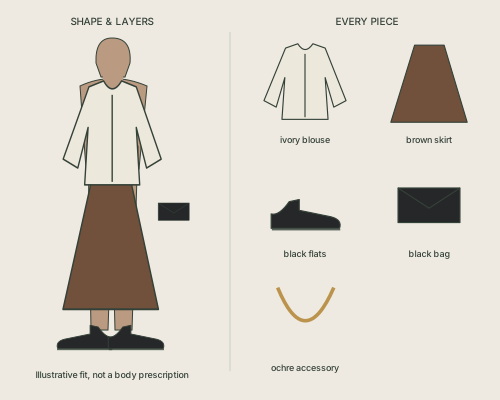
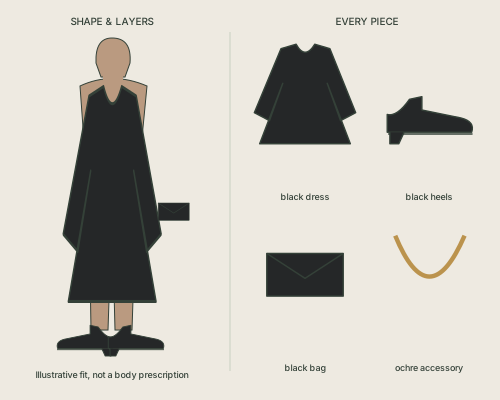
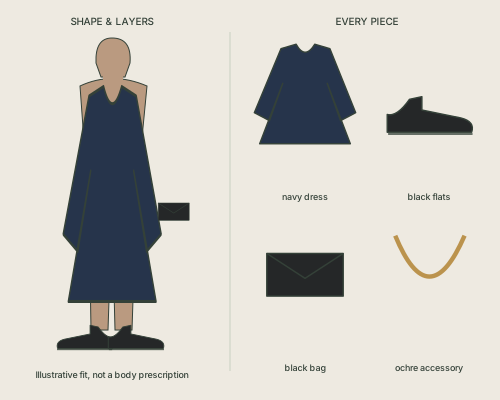
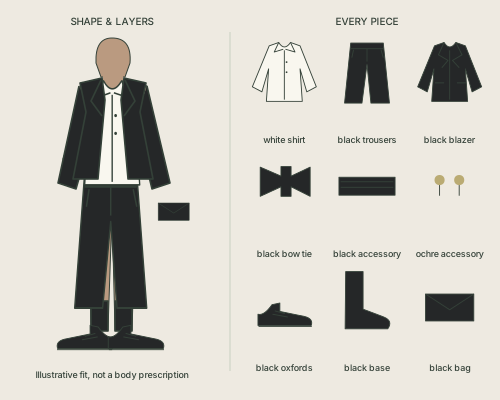
For conventional cocktail, compare an occasion dress, tailored jumpsuit or host-approved dressy separates. Formal eveningwear calls for a different garment construction from a long day dress. Conventional black tie has evening-gown and dinner-suit routes; conventional white tie is more specific still. The linked guides list their full components and alternatives, with flat-shoe and coverage checks alongside the code.
Work and interviews use different evidence
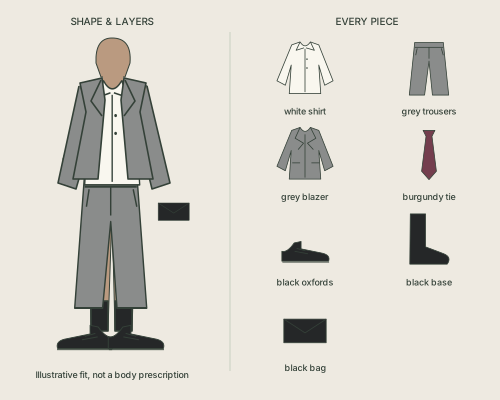
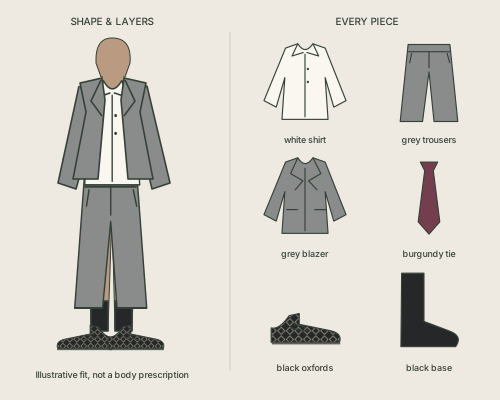
A workplace may require a matching business suit, permit tailored separates or allow casual clothes. An interview inherits the actual employer’s expectations, not an assumed gender or job title. Ask the contact what clothing is expected when possible, then plan the complete indoor outfit and travel layer. A blazer does not automatically make denim or trainers acceptable.
Terrain can change a practical detail
For a garden event, check secure footwear and a hem that clears grass; for a cold or wet route, record the actual coat and outside shoe. Ask whether a host-approved flat alternative works with the chosen code. A travel shoe can be a separate packing item. Neither a heel nor a fancy flat is automatically practical on every ground surface.
Compare garments, not adjectives
A long linen day dress, a tailored midi occasion dress and a floor-length evening gown differ in fabric, construction and intended context even though all have a long hem. Likewise, navy chinos and matching evening trousers are not interchangeable because both are dark. Use the complete garment list and primary code description before deciding that an outfit meets the invitation.
Keep unknowns visible
If you do not own the required garment, borrowing, renting, adapting or discussing the request with the host may be more useful than an immediate purchase. Record the real arrangement and its terms yourself. This site does not promise inventory, prices or approval. A candidate outfit remains a candidate until the actual code, garment and individual fit are checked.
These are original styling suggestions, not a body diagnosis or a claim of tested individual fit. Updated 12 October 2026.
Follow the next useful decision
- Cocktail attire: dress, jumpsuit or dressy separates
- Formal attire: check the evening construction
- Black tie: two complete evening routes
- White tie: a specific ensemble, not a darker suit
- Wedding guest clothes, invitation first
- Workwear starts with the actual workplace
- Interview clothes without a universal uniform
- Black tie optional: keep both routes distinct
- Festive attire: ask about the invitation, then add a detail