Optional changes the choice, not every garment
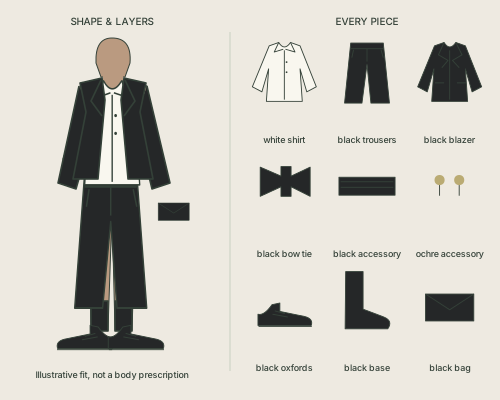
Conventional Western black tie optional allows a formal alternative when a full black-tie ensemble is not worn. Confirm the host’s request. It does not make chinos, everyday trainers or a long casual dress equivalent to eveningwear. The strict black-tie guide remains a separate branch with its own dinner-suit and evening-dress components.
The dark formal-suit candidate
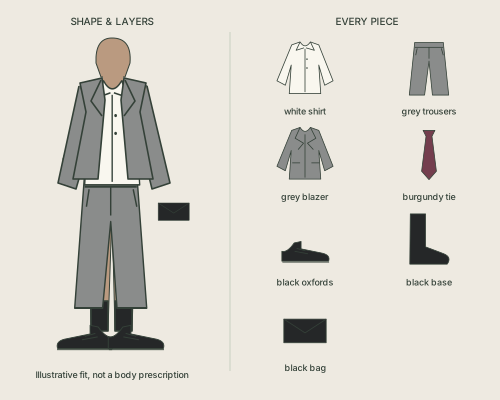
Use matching dark jacket and trousers, formal shirt, appropriate tie, dress shoes, socks and any bag actually carried. Our mapped optional-code look lists these pieces. Check matching construction and actual formality rather than treating a casual navy blazer and trousers as the same. Ask if the host specifies any shirt, tie or cultural variation.
The evening-dress candidate
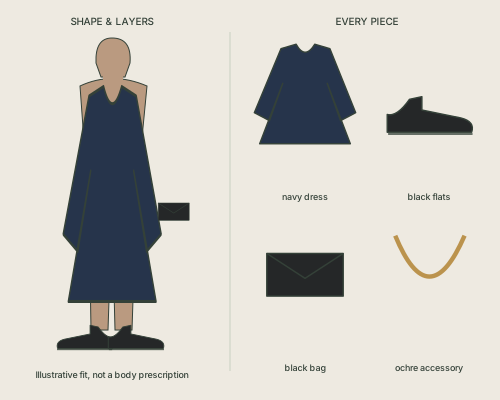
Compare an appropriate formal evening dress with the invitation rather than selecting solely by hem length. Check lining, closure, sleeve and movement in the real garment. Preferred coverage and a host-approved flat evening shoe can remain in the decision. The code does not establish individual fit or require a particular body silhouette.
Borrowing may be the practical route
An occasional need can be met by a real borrowing or rental arrangement when fit, components and terms are verified. Compare what you already own and the host’s actual expectation before buying a full ensemble. Keep fitting, care and return arrangements in your own event notes. No inventory, prices or provider approval are promised here.
These are original styling suggestions, not a body diagnosis or a claim of tested individual fit. Updated 12 October 2026.
Follow the next useful decision
- An invitation-to-outfit dress-code hub
- Black tie: two complete evening routes
- Formal attire: check the evening construction
- Wedding guest clothes, invitation first