Fit width and length separately
Check waist, rise, seat and thigh ease in a full seated and bending test. Then check the hem with the intended shoe. Shortening a leg should not require losing hip room; choosing a smaller size to solve length may change several other fit points.
Choose structure or softness
Chinos offer a defined everyday line; soft elastic-waist trousers can remove a zip or fixed waistband decision; suit trousers belong with their matching jacket when that code is required. Choose the construction for your comfort and context rather than assigning it to gender or age.
A hem should support your route
Check stairs, a full step and any equipment you use. Wide legs can pool near footwear; shorter or narrower hems may be easier in rain or crowded transport. A particular leg shape is not inherently better for a body size.
Three complete starts
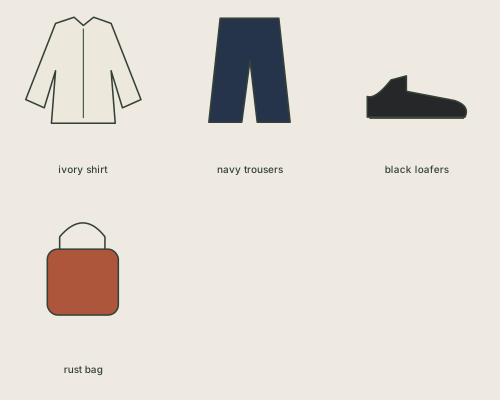
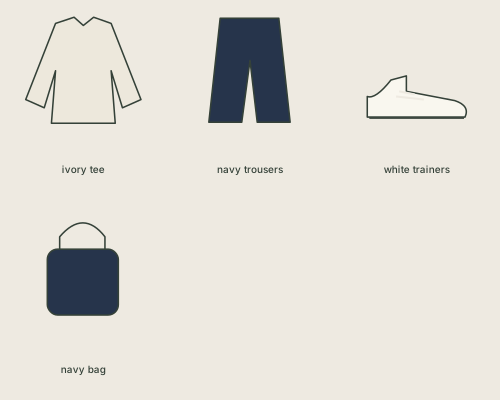
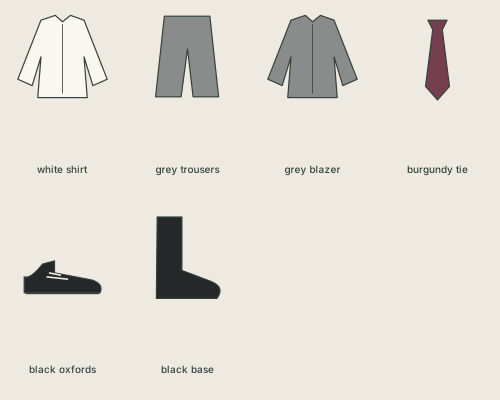
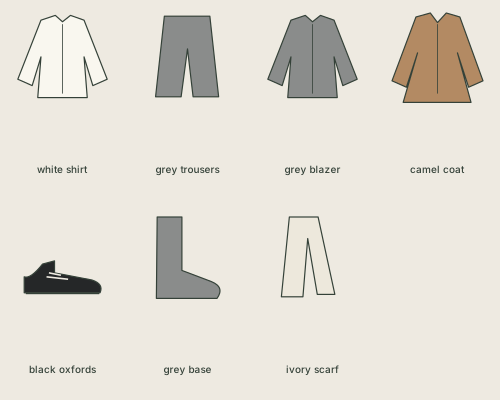
Try ivory shirt and navy chinos for a separates-friendly desk day; long jersey top with soft navy trousers for fewer fastenings; or white formal shirt with matching charcoal suit for a suit-required interview. These bases have distinct construction and code assumptions.
Make a swap honestly
When a look uses trousers you do not own, substitute the pair that fits your context and note it in your own plan. A navy label alone does not make two fabrics or formality levels interchangeable. Use the wardrobe tool to see actual mapped pieces rather than treating a missing pair as owned.
These are original styling suggestions, not a body diagnosis or a claim of tested individual fit. Published 11 October 2026.
Follow the next useful decision
- Fit and proportions are separate decisions
- Workwear starts with the actual workplace
- Familiar fastenings and simpler outfit choices