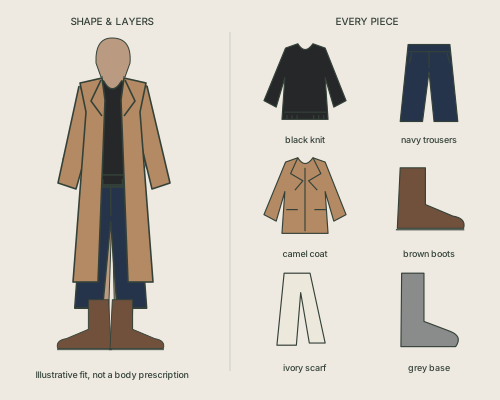
Choose the element that does the work
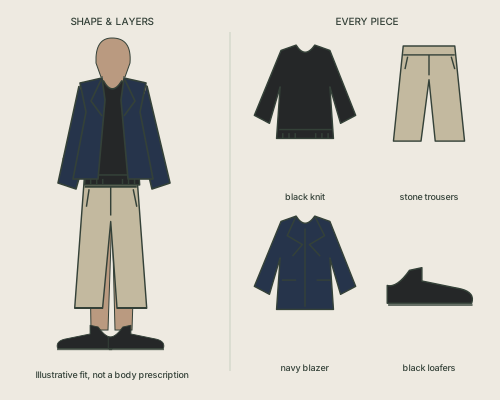
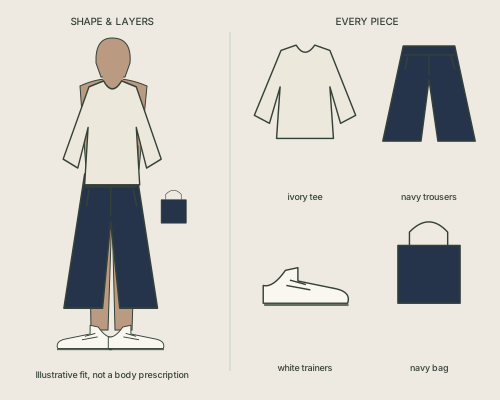
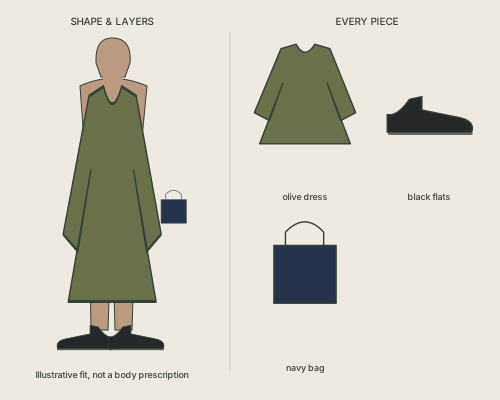
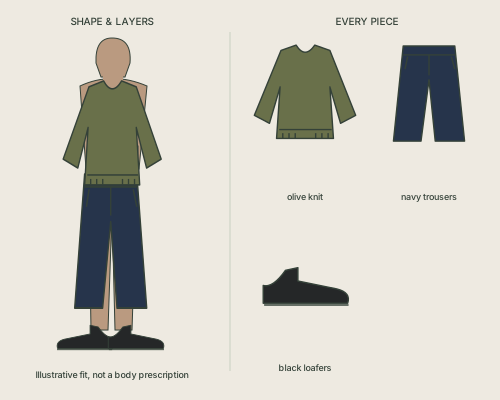
In the knit, stone-trouser and navy-blazer example, the jacket supplies structure while the base stays plain. In a loose long dress with flats, the dress supplies the whole clothing shape. In a jersey top with elastic-waist straight trousers, the quieter shape can serve a long seated day. These are different constructions; a neutral palette alone does not make them interchangeable.
Compare edges, not a shopping checklist
Look at sleeve meeting jacket cuff, top meeting waistband and trouser meeting shoe. Check them moving and seated before deciding which visible edge you prefer. A longer untucked top, cropped jacket or continuous dark base each changes an edge. There is no requirement to expose the waist, wear fitted clothes or create a particular body illusion.
Use an accent when you want one
A rust bag or green top can be the only colour area in a quiet outfit. Minimal styling need not mean beige, expensive fabrics or owning very few clothes. Begin with familiar garments that fit your day and remove an element only when it feels unnecessary. Keep a rain layer, socks or your practical bag even if a styled photo leaves them out.
Keep fit and care visible
Plain surfaces make a sleeve length, bunching placket or dragging hem easier to notice, but that does not mean every crease is a defect. Choose the amount of ease you want and follow the actual care label. A structured office outfit may need different laundering and transport than a soft travel base. Repeating the look is useful when its maintenance suits your real week.
Try the three bases before shopping
Save a tailored-separates version, a soft jersey-and-trouser version and a long-dress version. Compare their whole garments, closures and movement checks. The style brief can keep your favourite mapped piece in every recommendation, so you can change the surroundings rather than replace it. A no-match result is information about the constraints, not a reason to buy everything in the picture.
These are original styling suggestions, not a body diagnosis or a claim of tested individual fit. Updated 12 October 2026.