Name the present problem
A waistband that feels wrong while sitting, a shirt front that rises when reaching and an opening that blocks needed access are different clothing problems. Keep useful garments and set aside the pieces that currently fail. Do not assume an ordinary elastic waist is a maternity garment, that every maternity garment supplies feeding access, or that a future body size is a deadline.
Compare an adjustable separates route
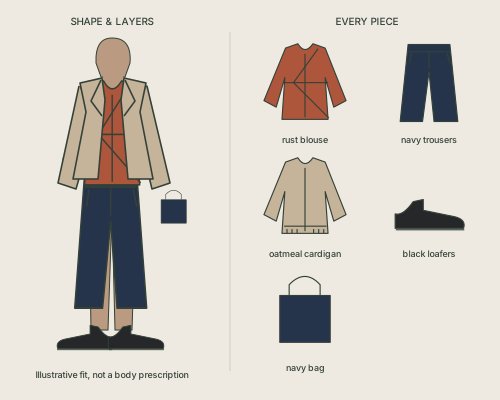
Our wrap-blouse, elastic-waist straight-trouser, open-cardigan and loafer example offers adjustable top room and a separate lower garment. Check tie reach, neckline security, rise, waistband pressure and the open layer while sitting. A wrap can gape and ties add a task; use a familiar top or actual base layer when that is more useful. The generic garment types do not certify maternity fit.
Compare a loose single-garment route
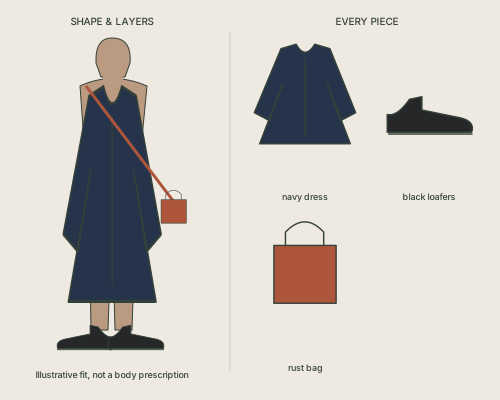
A loose long shirt dress with familiar flat shoes removes the separate waistband decision but introduces front buttons, garment length and one-piece bathroom/access considerations. Test the real dress seated and reaching. A dress that must be removed for an access task is functionally different from front-opening separates, even when both look loose in an illustration.
Separate nursing and pumping decisions
If you need feeding or workplace pumping access, use the distinct nursing-and-pumping guide. Try the actual underlayers and equipment arrangement you already use; the opening route may differ. Do not infer usable access from a decorative button row, faux wrap or maternity label. This page does not teach feeding, pump fitting, recovery or medical support use.
A temporary work wardrobe can stay small
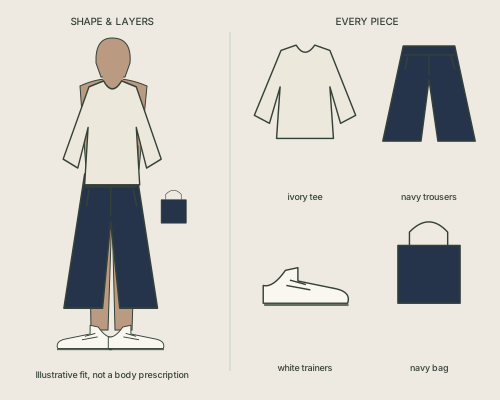
Start with the employer’s actual code and a complete construction that currently works. Keep that route available while testing another. Add the real spare top or layer when useful, with its actual care instructions. Borrowing or a small temporary wardrobe may suit changing needs; confirm actual fit, prices and return terms instead of replacing every piece at once.
Keep clothing and qualified care separate
These are styling and garment-access checks. Medical support, pressure, healing, feeding and equipment compatibility require your appropriately qualified care team. No ordinary garment list establishes a clinical benefit. If clothing raises one of those questions, record it as unresolved and get the relevant assessment rather than treating a generated outfit as approval.
These are original styling suggestions, not a body diagnosis or a claim of tested individual fit. Updated 12 October 2026.