1. Shape-led dressing
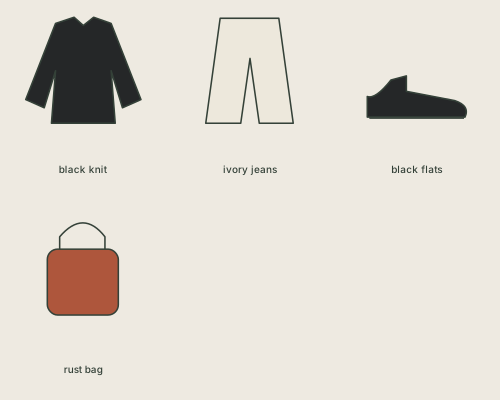
Try a closer-looking dark top with a generous light denim leg when you want the lower shape to lead. Keep the top as loose as comfort requires; a crew neck can replace a roll neck. Use familiar flats and a usable hem. This is our owned-clothes experiment inspired by body-focused runway reporting, with no rule about exposing skin or fitting a body ideal.
Try A close neckline with a generous leg ↗2. Visible wear
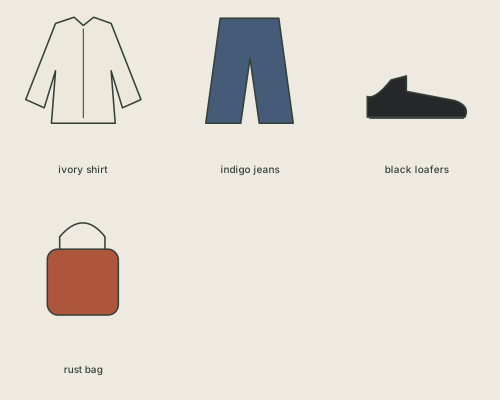
An existing worn-in jean with a clean shirt can contrast casual surface and a crisper top. Keep any holes patched or choose unbroken denim when you want coverage. The complete shirt-and-denim look works with ordinary owned jeans; there is no need to cut clothing or buy damage to participate in an optional worn-surface idea.
Try Indigo denim with a light shirt ↗3. Outerwear as the main shape
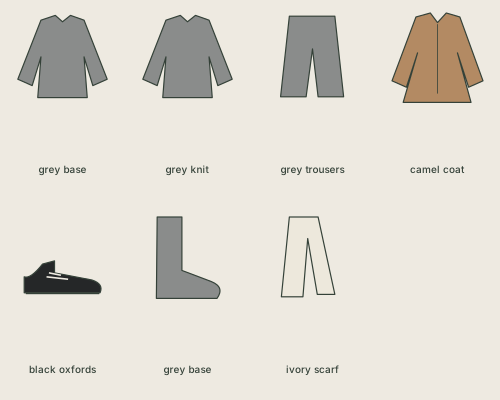
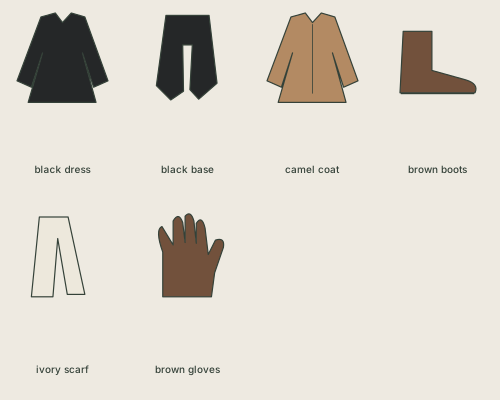
Let your existing coat frame a quieter knit-and-trouser base. Use a familiar base and the actual warmth and weather protection your forecast needs. Flat shoes are part of the formula, with a separate route shoe when appropriate. The practical choice is the coat you can use, without a claim that a runway material has a protective rating.
Try A wool texture for a dry winter office ↗4. Ornamental softness
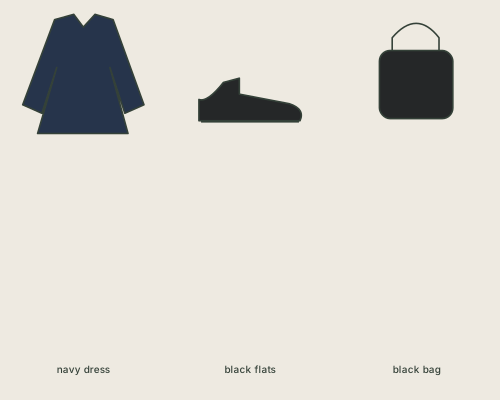
Runway reference: lace, trailing volume and decorative neckwear. Our small-print long dress can supply a gentle decorative direction while shoes and bag stay plain. Borrowing an occasion dress or using an existing print is a low-effort option. Long sleeves, long hem and flats remain available; test the opening and host requirements. This adaptation uses an ordinary print rather than claiming to reproduce couture construction.
Try One print for a daytime celebration ↗5. A contained silhouette
Runway reference: shoulders pulled inward and shapes held close. Our long knit dress creates a continuous base beneath a coat. Choose body ease and neckline for your own seated and moving comfort; a skirt-and-knit combination is an alternative. Tights and flat boots are mapped. The shape experiment is optional and provides no posture, slimming or clinical benefit claim.
Try A knit dress under an outer coat ↗6. Layered surface contrast
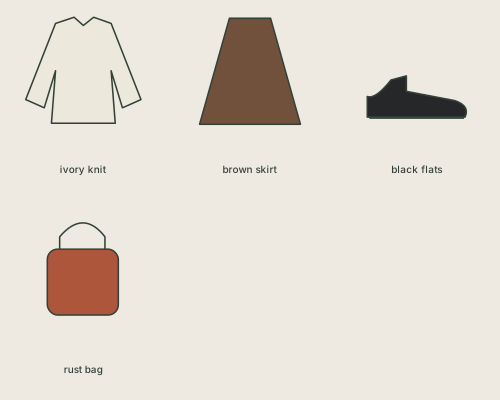
Try a textured knit above a smoother long skirt for a covered surface-contrast alternative. Use actual opaque garments when you prefer that coverage and a familiar flat shoe. You can keep both pieces from your own closet. The practical adaptation explores different surfaces; inspect opacity and openings in the real clothes when borrowing from a translucent-layer idea.
Try Texture without another print ↗7. Let the shirt lead
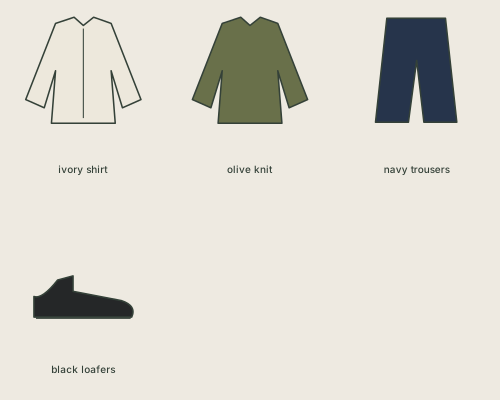
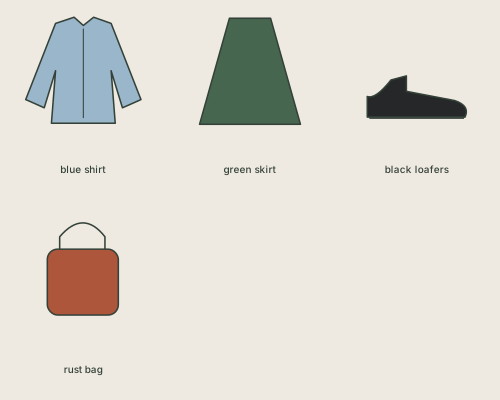
Use the familiar shirt collar and cuff beneath a knit, or wear the shirt alone when the room is warm. Check collar bulk and button closure seated. Navy chinos and flat loafers make the complete base. A soft pullover is a valid alternative when a collar is not useful; the source theme never makes one shirt shape compulsory.
Try A crisp collar beneath olive knit ↗8. A lower visual line
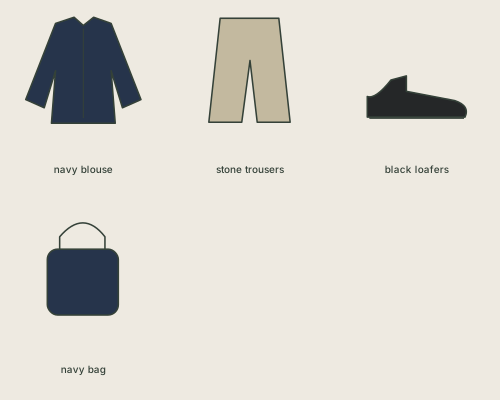
Let a longer lightweight blouse hang over straight trousers without a tuck when you like a lower visual break. Check the hem from the side and seated. Familiar flats finish the complete look. This is a small owned-item shape experiment; no alteration or new drop-waist garment is required, and no body-size height promise is made.
Try A long blouse that stays untucked ↗9. Repeated motifs
Runway reference: craft built from repeated everyday objects. Our practical alternative is to try two existing small-scale prints with a shared colour range when you enjoy more pattern. Keep either print and replace the other with a plain garment for a quieter version. Long shirt, long skirt and flats stay complete. The motif experiment is our practical interpretation of repetition and craft; it does not reproduce a designer’s material technique.
Try Pattern against pattern, with a quiet shoe ↗10. Evening tailoring
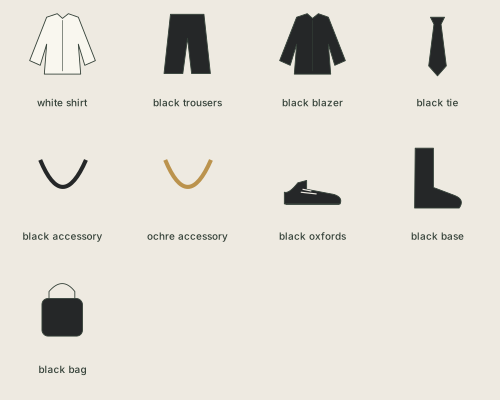
Use a coordinated existing or rented evening set for an invitation that actually asks for black tie. The complete look maps its accessories and flat evening shoes. For an informal day, a blazer and trousers can give a softer tailoring reference where permitted. The host’s code remains the reason to choose formalwear; a trend does not replace etiquette.
Try A conventional black-tie tailoring set ↗11. Two deliberate colour areas
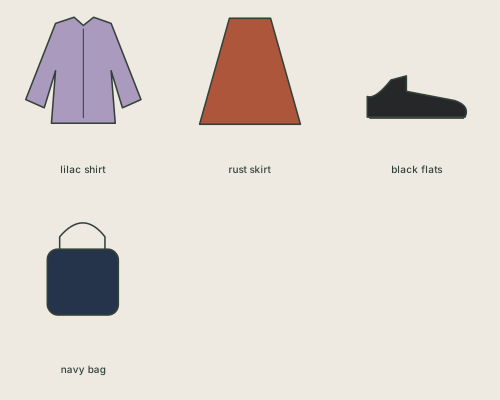
Try a lilac top with rust long skirt, keeping shoes and bag plain, when you want two visible colour areas. Use two colours you already enjoy instead of buying this exact palette. Check the wrap overlap and hem with flats. A single bright shirt above neutral trousers is a lower-effort alternative when a two-area contrast feels too strong.
Try A wrap skirt for an indoor school event ↗Evidence, dates and interpretation
Vogue’s report is dated 18 March 2026 and is the record of its eleven editorial runway themes. Our outfit translations above are original suggestions. Prada’s own show statement, dated 26 February 2026, separately describes layering and transformation through a day; it supports that specific designer observation. It does not validate every editorial theme or prove consumer adoption. This page was created on 11 October 2026.
These are original styling suggestions, not a body diagnosis or a claim of tested individual fit. Published 11 October 2026.
Follow the next useful decision
- Fall: make the removable layer useful
- Personal style as a practical experiment
- Colour and pattern with useful garment roles