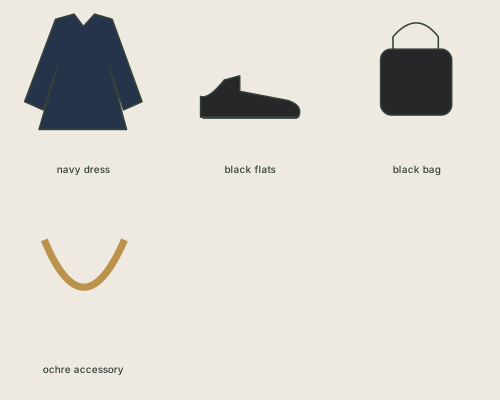
Try the dress in movement
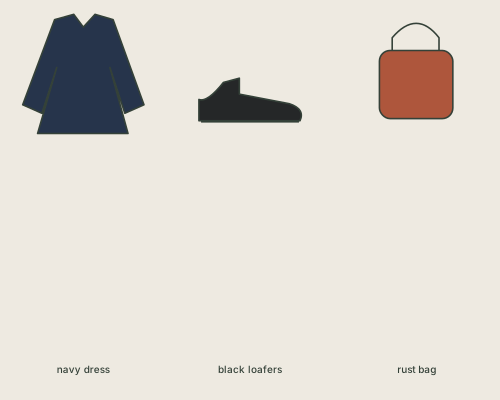
Check bust, shoulder and hip ease, buttons, zip, slit and hem while reaching, sitting and stepping. A zip-front or shirt dress is not automatically easy to fasten; test the actual garment and the openings you can reach.
Add structure or keep it loose
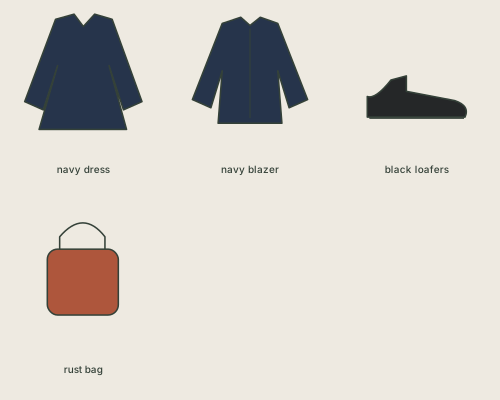
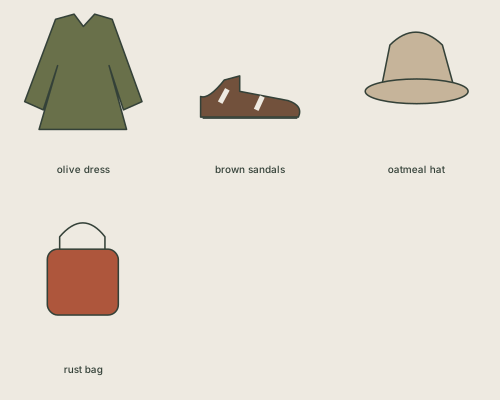
A blazer above the navy shirt dress gives a client-ready shoulder line where permitted. The loose linen dress with flat sandals is a warm casual route. A belt is optional in both; shape is a preference, not a requirement for a body size.
A knit can change the outline
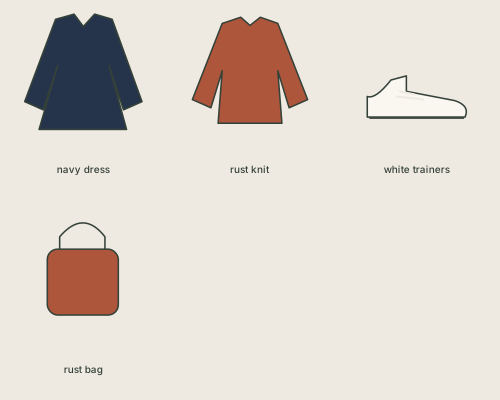
A roomy crew neck over the shirt dress creates a skirt-and-knit impression. Check ties and buttons beneath it; switch to a separate skirt when layers bunch. The goal is a useful owned-clothes experiment, not counting one dress as unlimited new outfits.
Day dress and formal gown are different
A long day-dress hem alone does not equal formal eveningwear. For a formal invitation, consider the fabric, construction and host-defined code. The event collection separates casual day dresses, cocktail candidates and genuine evening-gown directions.
Finish with the actual shoe
Check the dress hem with your flats, boots or chosen heels, not an imaginary different height. For a cold commute, add the actual tights and outerwear used to your plan. A clinical, mobility or equipment-specific fit decision needs qualified advice.
These are original styling suggestions, not a body diagnosis or a claim of tested individual fit. Published 11 October 2026.
Follow the next useful decision
- Wedding guest clothes, invitation first
- Cold-weather looks with mapped layers
- Changing fit, maternity and nursing access