Separate visual softness from feel
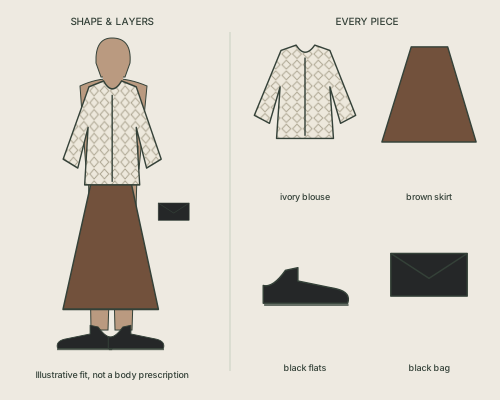
Lace, a smooth long skirt, gathered sleeves or a small floral-like print can create a romantic visual direction. Actual seams, lining, cuffs and surface feel remain individual. A soft-looking image cannot tell you whether a lace sleeve scratches, a satin skirt clings or a neckline stays in place. Start with one familiar piece and test the real construction.
Choose the base construction
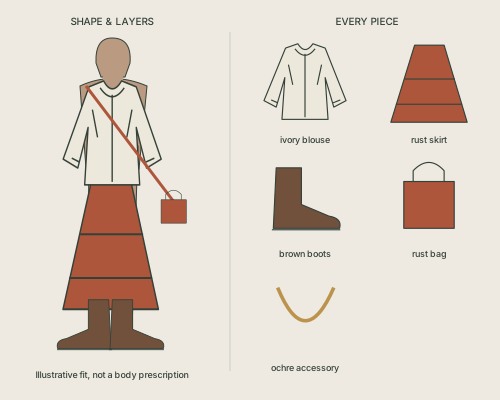
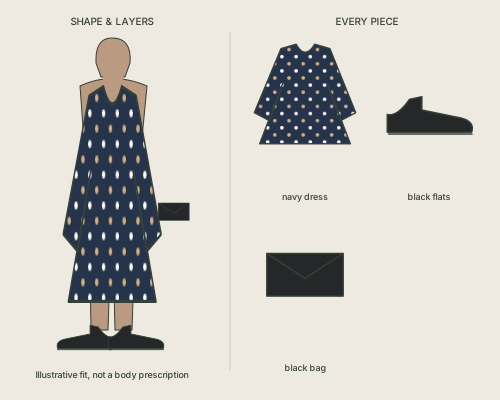
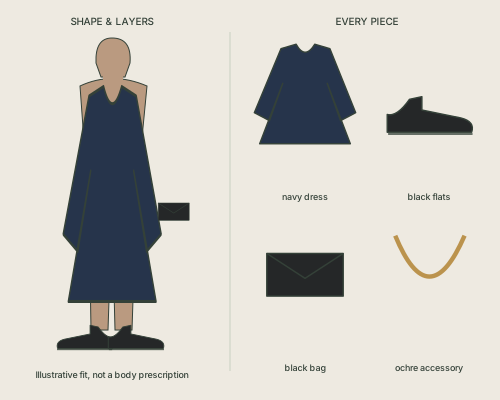
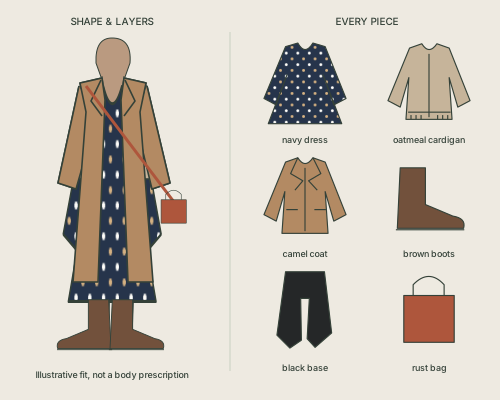
For dressy separates, use lined lace blouse, long matte-satin skirt, flat ballet shoes and a small bag. For a flowing casual outfit, use gathered blouse, tiered skirt and flat boots. For a single-garment route, use a small-print long dress with a short plain jacket. The dress, two-piece skirt base and removable jacket offer different access, movement and layering decisions.
Coverage is a practical preference
A long sleeve and long hem can preserve the same texture direction as a short or sleeveless outfit. Check actual opacity, sleeve openings and any skirt slit in movement. An unlined decorative overlay does not substitute for the opaque base you want. List that base in your own plan instead of assuming the illustration supplies it.
Ask about the event before the surface
Lace and a long skirt do not automatically mean formal or black tie. Confirm the invitation, setting and host expectations, then use an appropriate complete outfit from the dress-code guides. For a garden cocktail event, check flats and ground clearance; for a cold commute, name the real coat and leg layers. Styling mood never replaces these decisions.
A smoother alternative is still useful
If lace bothers you, try the matte blouse you own and let the skirt provide the surface contrast. If a tiered skirt catches during movement, try a smoother long skirt or wide trousers. Keep the element that you enjoyed and discard the label when it stops helping. Use the saved-look comparison to check the complete pieces before buying a replacement.
These are original styling suggestions, not a body diagnosis or a claim of tested individual fit. Updated 12 October 2026.
Follow the next useful decision
- Choose a style direction, then make it your own
- Cocktail attire: dress, jumpsuit or dressy separates
- Chosen coverage, without assumptions
- Texture and seam preferences, made explicit